Song Meaning
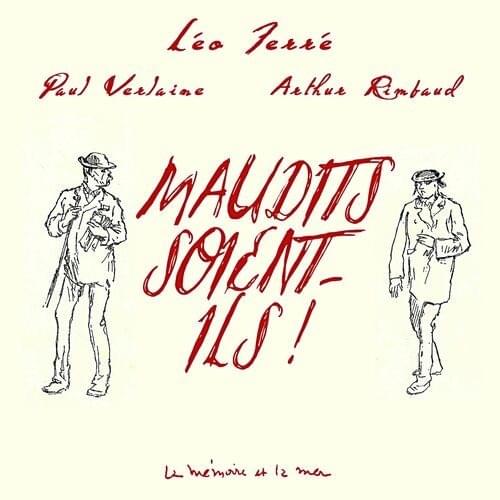
Léo Ferré's interpretation of Paul Verlaine's "Mon fils est mort" (My Son Is Dead) is not merely a recitation of grief, but a raw, theological reckoning. Verlaine's original poem, imbued with religious fervor and parental anguish, becomes, in Ferré's hands, a visceral exploration of faith tested to its breaking point. The lyrics detail the speaker's attempt to reconcile the unbearable loss of a son with an unwavering belief in divine will. It's a dance between acceptance and barely suppressed rage. The repeated phrase, "Vous me l'aviez donné, vous me le reprenez" (You gave him to me, you take him back), underscores the central conflict: a struggle to submit to a higher power while grappling with the agonizing reality of earthly absence. The speaker wrestles with guilt, suggesting that the love for his son had eclipsed his devotion to God—a perceived transgression for which he is now being punished. This isn't blind faith; it's a faith forged in the crucible of unimaginable pain.
The poem's exploration of divine justice reveals a profound psychological depth. The speaker questions, implicitly, the very nature of a God who would inflict such suffering. Yet, he simultaneously clings to the belief that this suffering serves a purpose, strengthening his faith and purifying his soul. The line, "Je vous offre les pleurs d'un cœur presque parjure" (I offer you the tears of an almost perjured heart), speaks volumes about the speaker's internal turmoil. He recognizes the potential for his grief to lead him astray, to renounce his faith entirely, but he resists, choosing instead to channel his pain into a renewed commitment to God. This act of offering tears, of acknowledging weakness, is a powerful testament to the enduring strength of the human spirit in the face of devastation.
Ultimately, "Mon fils est mort" is a study in the complexities of grief, faith, and the human condition. It's a reminder that even in the darkest of times, the capacity for love, for hope, and for spiritual connection remains. The poem's final verses offer a glimmer of solace, as the speaker expresses the desire to be reunited with his son in the afterlife, through the grace of Jesus. This longing for reunion underscores the enduring power of familial love, a love that transcends even death itself. Ferré's interpretation amplifies Verlaine's already potent words, transforming them into a haunting meditation on loss and redemption.
 View Artist