Song Meaning
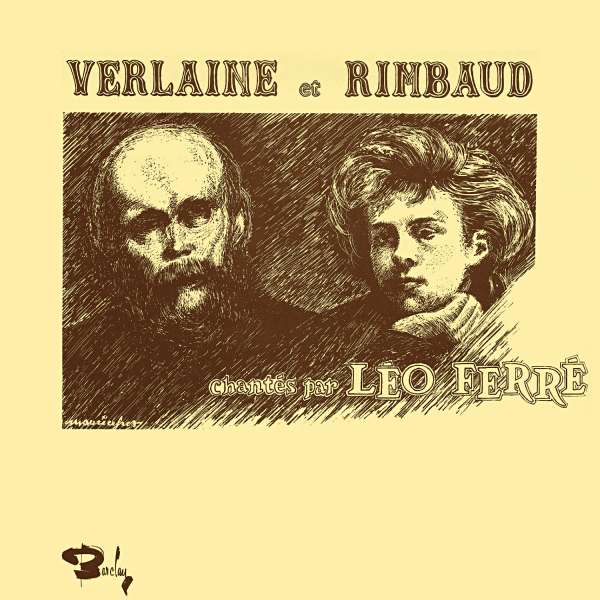
Léo Ferré's interpretation of Arthur Rimbaud's "Mes petites amoureuses" is a brutal, almost gleefully self-destructive exploration of love's corrosive power. Ferré, a master of marrying music with the darkest corners of the human psyche, doesn't shy away from the poem's raw, unfiltered misogyny and angst. Instead, he amplifies it, giving voice to the kind of bitter, twisted resentment that festers when idealized romance crashes headfirst into the messy reality of human connection. The recurring refrain of "laideron" (ugly girl) is not merely a physical descriptor but a symbol of disillusionment, a stripping away of the romantic facade to reveal what the speaker perceives as the grotesque truth beneath.
The song meaning hinges on this duality: a simultaneous longing and loathing. The speaker acknowledges that he wrote poetry *for* these women, that they were the source of his artistic inspiration. Yet, he also expresses a desire to inflict pain, to "break their hips for having loved." This suggests a profound sense of betrayal, as if love itself were a trap, a cruel joke played on the sensitive soul. The imagery is deliberately jarring, juxtaposing the delicate (mandoline, ballerinas) with the vulgar (vomit, infected trenches), highlighting the inherent contradiction within the speaker's feelings.
Ferré's musical arrangement is key to understanding the full impact of "Mes petites amoureuses." It's not a gentle ballad of heartbreak; it's a visceral, almost theatrical performance of emotional disintegration. The song's power lies in its unflinching portrayal of the dark side of desire, the ugly truths that often lurk beneath the surface of romantic love. It’s a challenge to the listener, forcing them to confront the uncomfortable reality that love, in its most twisted forms, can be a breeding ground for resentment and even hatred.
 View Artist