Song Meaning
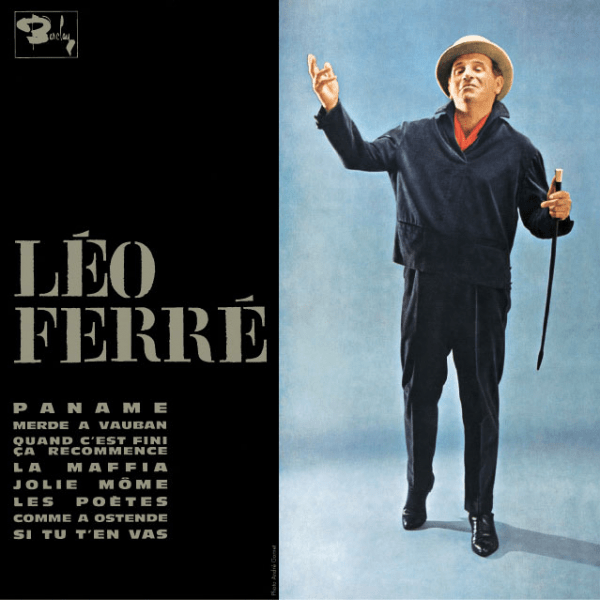
Léo Ferré's "Dreaming the Night Away" is a stark and bitter portrait of imprisonment, both literal and metaphorical. Sung from the perspective of a convict ("Bagnard") on the Île de Ré, a former prison island, the song isn't just about physical confinement. It's a lament for lost youth, lost love, and the crushing weight of a system that grinds individuals into dust. The repeated refrain, "Merde à Vauban," a curse directed at the 17th-century military engineer Sébastien Le Prestre de Vauban, whose fortifications include the prison, symbolizes a broader rejection of oppressive structures and the architects of human suffering. Vauban becomes a stand-in for all those who build walls, both real and imagined. Ferré's genius lies in layering the personal tragedy of the prisoner with a universal condemnation of injustice. The lyrics paint a bleak picture of daily life: black bread, white walls, and the slow erosion of hope. The prisoner's thoughts drift to his "mignonne" in the city, a reminder of the life he's lost and the person he'll never be again.
The song's emotional core resides in the tension between despair and defiance. While the prisoner acknowledges the decay of his youth and the hopelessness of his situation, there's a stubborn refusal to be completely broken. He dreams of his love, imagining her in the gray sky, even as he sits in his cell. This act of dreaming, of mentally escaping the confines of his reality, is a form of resistance. The image of the "petite corbillard tout noir" (small black hearse) that will eventually carry him out suggests a morbid acceptance of death as the only true escape. However, even in death, he vows to sing from beneath the planks, a final act of defiance against the system that sought to silence him. The line "Pour elle j'ai manqué la belle" hints at the crime that led to his imprisonment, implying that love and passion, however misguided, contributed to his downfall.
"Dreaming the Night Away" is a powerful meditation on the human cost of incarceration and the enduring power of the human spirit to resist even in the face of utter despair. The song's brilliance lies in its ability to evoke both the claustrophobia of prison life and the expansive longing for freedom and connection. Ferré uses the specific setting of the Île de Ré to explore universal themes of injustice, loss, and the enduring human need for love and meaning. The song's raw emotion and unflinching portrayal of suffering make it a timeless and deeply affecting work. It is not just a song about prison; it is about the prisons we build for ourselves and for each other.
 View Artist