Song Meaning
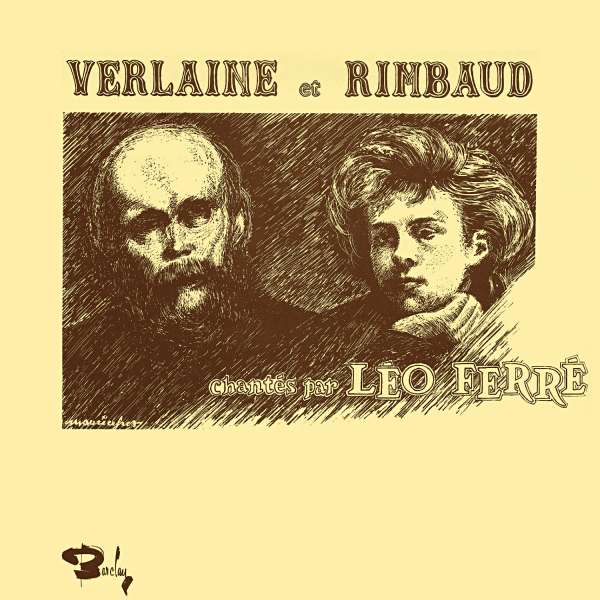
Léo Ferré's rendition of Paul Verlaine's "L'espoir luit comme un brin de paille dans l'étable" isn't merely a setting of poetry to music; it's an excavation of despair, framed by the faintest glimmer of hope. The titular line, "Hope shines like a straw in the stable," immediately establishes a landscape of abandonment and destitution, where even hope is reduced to something brittle and easily overlooked. The poem, originally written in 1873, speaks to a soul on the edge, grappling with anxieties both immediate ("What do you fear from the wasp drunk on its wild flight?") and existential. Ferré's somber delivery amplifies the sense of exhaustion, the yearning for oblivion suggested by the line, "Why didn't you fall asleep, elbow on the table?" The table, here, becomes an altar for resignation. 
The narrator functions as both consoler and enabler, offering the "poor pale soul" a draught of icy well water and the promise of undisturbed sleep. This isn't necessarily a benevolent act; it's a form of palliative care for a spirit beyond repair. The lullaby-like quality of "And I will cherish the dreams of your nap / And you will hum like a cradled child" carries a chilling undercurrent, suggesting a descent into a childlike state of dependency and retreat from the world. The repeated striking of noon acts like a hammer blow, punctuating the scene with a stark awareness of time's passage and the finality of the situation.
The intrusion of "madame" and the request for her to leave highlights the vulnerability of the sleeper, whose mind is acutely sensitive to the disruptions of the outside world. The line "It's astonishing how the steps of a woman / Resonate in the brain of the poor wretches" suggests a deep-seated trauma or sensitivity to external stimuli. The final verse pivots, offering a fragile reassurance: "Go, sleep! Hope shines like a pebble in a hollow." The shift from "straw" to "pebble" offers a slight increase in solidity, but the image remains one of hidden, almost accidental hope. The concluding lament for the return of September's roses underscores the enduring ache for beauty and renewal in a world seemingly devoid of both. Ferré doesn't offer resolution; he simply holds a mirror to the complexities of suffering, leaving the listener to grapple with the enduring tension between despair and the tenacious flicker of hope.
 View Artist