Song Meaning
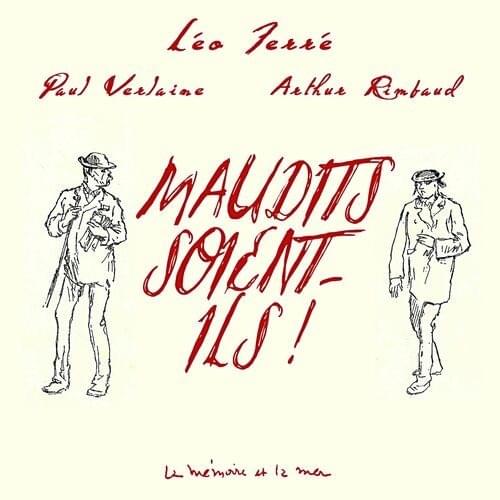
Léo Ferré's rendition of "Le Sonnet du Trou du Cul" (performed live, as noted) isn't merely shocking for its overt subject matter; it’s a calculated disruption of bourgeois sensibilities. Originally penned collaboratively by Arthur Rimbaud and Paul Verlaine, the poem, and thus Ferré's performance, elevates the anus to an object of aesthetic contemplation, bordering on religious reverence. The opening lines, comparing it to a "dark and puckered violet," immediately establish this jarring juxtaposition of the vulgar and the beautiful. It's a deliberate act of defamiliarization, forcing the listener to confront something typically relegated to the realm of the unmentionable. Ferré, a master of vocal inflection, wrings every ounce of subversive potential from the text. He leans into the poem’s inherent contradictions, highlighting the tension between the physical reality and the idealized, almost mystical, portrayal. The "tears of milk" and "reddish marl pebbles" evoke a sense of violated innocence, while the image of the poet's "dream" finding solace in this unexpected orifice suggests a search for unconventional beauty. Ferré's delivery emphasizes the inherent absurdity of the poem. The lines about the "celestial praline" descending into this "feminine Canaan" are delivered with a knowing wink, a challenge to the audience to either embrace the absurdity or recoil in horror.
The genius of "Le Sonnet du Trou du Cul," and Ferré's interpretation of it, lies in its ability to provoke a visceral reaction. It's not simply about shock value; it's about forcing a reevaluation of what is considered beautiful, acceptable, and even sacred. By taking something considered base and elevating it to the level of high art, Rimbaud, Verlaine, and Ferré collectively question the very foundations of societal norms and aesthetic preferences. Ferré's performance, especially the live rendition, amplifies this effect. The audience is not passively consuming art; they are actively complicit in the act of transgression. Every cough, every rustle, every nervous laugh becomes part of the performance, a testament to the enduring power of art to challenge and unsettle.
Ultimately, Ferré's "Le Sonnet du Trou du Cul" is a reminder that art can be found in the most unexpected places, and that beauty, like truth, is often subjective and culturally constructed. The lyrics analysis reveals not a celebration of the perverse, but rather a defiant rejection of artistic and social limitations. It's a bold statement about the artist's right to explore the full spectrum of human experience, regardless of how uncomfortable or taboo it may be. The song meaning, therefore, transcends the literal and enters the realm of artistic and social commentary.
 View Artist