Song Meaning
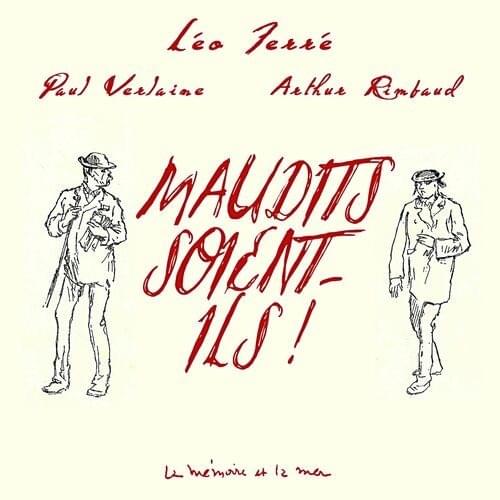
Léo Ferré's rendition of "Le sonnet du trou du cul" (a cappella) is not for the faint of heart, nor is it meant to be. Originally penned collaboratively by Arthur Rimbaud and Paul Verlaine, this sonnet, delivered by Ferré with stark, unadorned vocalization, dives headfirst into a realm where the sacred and profane not only meet but intertwine with unapologetic fervor. Ferré's choice to perform it a cappella strips away any potential distractions, forcing the listener to confront the poem's raw, unfiltered imagery. The absence of instrumentation underscores the vulnerability and audacity inherent in the text. It's a bold artistic choice that amplifies the poem's inherent shock value, demanding attention and refusing easy dismissal.
The poem itself, a meticulous and sensual exploration of the anus, employs rich, evocative language to elevate what is typically considered base and vulgar into something almost transcendental. Phrases like "Obscur et froncé comme un oeillet violet" (Dark and puckered like a violet carnation) juxtapose beauty with the grotesque, challenging conventional notions of aesthetics. The imagery of "filaments pareils à des larmes de lait" (filaments like tears of milk) further complicates the picture, suggesting a sense of purity or innocence amidst the overtly sexual. The reference to "Chanaan féminin dans les moiteurs enclos!" (Feminine Canaan in enclosed dampness!) elevates the anus to the status of a promised land, a source of earthly delight and forbidden knowledge.
Ferré's interpretation, through its stark delivery, highlights the psychological tension at play. The poem reveals a complex interplay of desire, shame, and fascination. The speaker's "Rêve" (Dream) finds solace and connection in this unconventional space, while his "âme" (soul), "jalouse" (jealous) of the physical act, transforms it into a source of both lament and refuge. The poem, and Ferré's interpretation, becomes a powerful statement on the body, sexuality, and the human capacity to find beauty and meaning in the most unexpected places. It's a challenge to bourgeois sensibilities and a celebration of the subversive potential of art.
 View Artist