Song Meaning
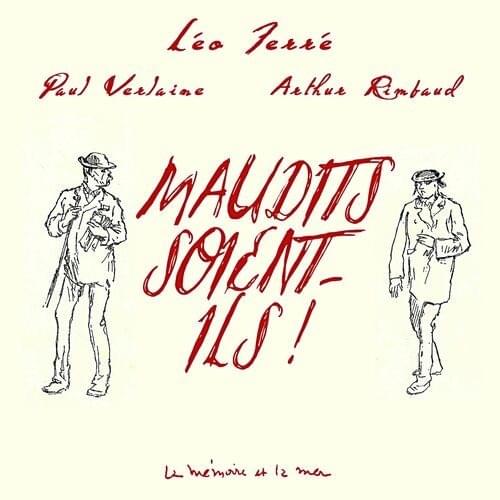
Léo Ferré’s setting of Rimbaud’s "Le dormeur du val" isn't simply a poem recited; it's a gut punch delivered with exquisite musicality. The song's deceptive pastoral beauty, initially painting a serene valley scene, serves as a chilling contrast to the grim reality it unveils. Ferré masterfully uses the lilting melody to lull the listener into a false sense of security, much like the valley itself seems to cradle the sleeping soldier. The river sings, sunlight dances – a tableau of idyllic peace. But beneath the surface, a profound sense of unease begins to creep in. The "haillons d'argent" (shreds of silver) clinging to the grass hint at something broken, something lost. The description of the young soldier, "bouche ouverte, tête nue," vulnerable and exposed, disrupts the tranquil image.
The core of the song meaning lies in the brutal juxtaposition of innocence and violence. The soldier isn't merely resting; he's dead. The line "Souriant comme / Sourirait un enfant malade, il fait un somme" is particularly devastating. It evokes an image of fragile vulnerability, a life cut short before its time. The plea to nature, "berce-le chaudement : il a froid," reveals the raw, desperate grief at the heart of the poem. Ferré doesn't shy away from the poem's inherent anti-war sentiment. The perfumes of the valley fail to stir the soldier's senses; he's beyond the reach of earthly pleasures. The final, stark revelation – "Il a deux trous rouges au côté droit" (He has two red holes in his right side) – shatters the illusion of peaceful slumber and exposes the horrific truth of war's devastating impact.
Ultimately, Ferré’s interpretation amplifies Rimbaud's original intent. It transforms a poem about the deceptive face of war into a haunting lament for lost youth and a powerful indictment of violence. The song's enduring power resides in its ability to evoke both beauty and horror, forcing the listener to confront the brutal reality hidden beneath the surface of idyllic landscapes. The contrast between the valley's vibrant life and the soldier's lifelessness underscores the senselessness of war, leaving a lasting impression long after the final notes fade.
 View Artist