Song Meaning
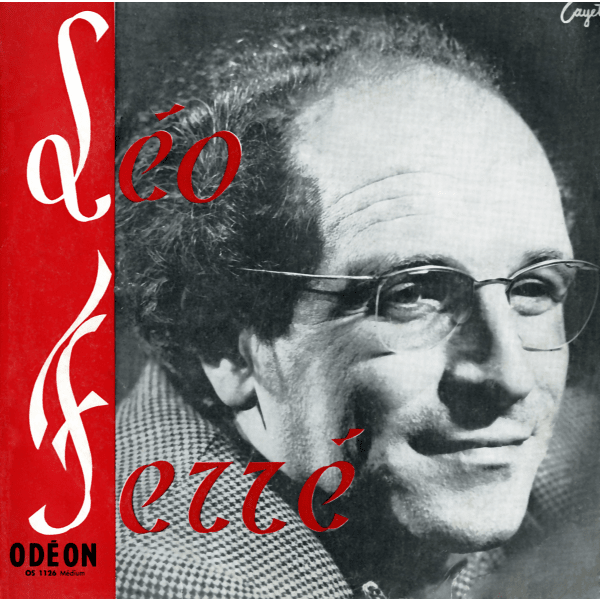
Léo Ferré's "L'amour" isn't a straightforward declaration; it's a plunge into the irrational, ecstatic core of love. The cyclical structure of the verses, each building to a fever pitch before circling back, mirrors love's obsessive nature. The opening lines paint a vivid, almost cinematic picture—the sea, horses in motion—yet immediately subvert it: the real spectacle, the true beauty, is found in the embrace of lovers. Ferré isn't selling us romance; he's highlighting the way love eclipses even the grandest external phenomena. The "lyrics analysis" reveals that "L'amour" suggests love as a force that dismantles reason. The phrase "Quand la raison n'a plus raison" directly translates to "When reason has no more reason," and it encapsulates the song’s central theme: love as a transcendence of logic. The lovers lose themselves, questioning who's in control, willingly surrendering to the emotional upheaval. This isn't a gentle affection; it's a loss of self within another. Ferré uses hyperbole to illustrate love’s all-consuming power. Missing the end of the world, selling eternity for a single moment—these aren't just poetic exaggerations. They speak to the way love warps our perception of time and value, making the present, and the beloved, the only reality that matters. Love, in Ferré's vision, is a force that can make the Devil himself blanch, a power so intense it transcends even the most potent symbols of evil. The inability to "draw the flower of love" speaks to its ineffable nature; it's something felt, experienced, but ultimately beyond capture or containment. It's a raw, visceral experience that leaves one disoriented, waiting for the inevitable, unknown consequences. In the end, only "Je t'aime" remains: a simple, almost inadequate phrase to contain such a monumental force.
 View Artist