Song Meaning
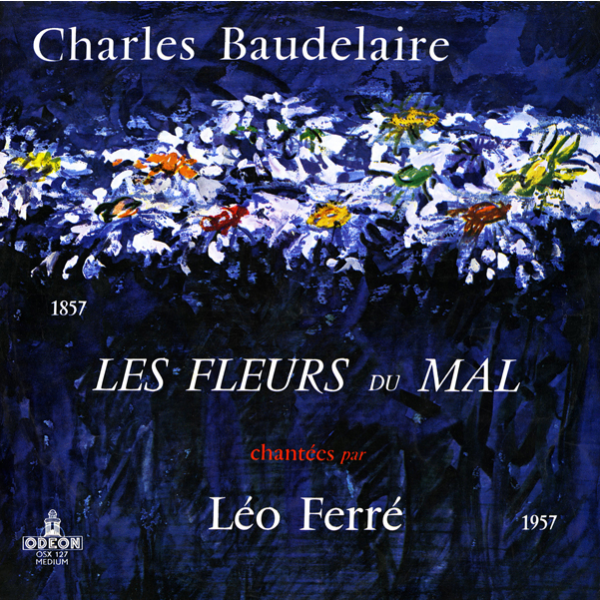
Léo Ferré's setting of Baudelaire's "La vie antérieure" is less a song than a conjuration. Ferré, a master of marrying music to the darkest corners of the human psyche, transforms Baudelaire's poem into a sonic landscape of longing and regret. The lyrics paint a vivid picture of a past life, one steeped in sensual luxury and melancholic introspection. It’s a world of sun-drenched porticoes, echoing waves, and devoted servants, yet it is haunted by an inescapable, unnamed sorrow. Ferré’s interpretation doesn't simply narrate this past; it embodies its inherent contradictions. The opulence described is not a source of joy but a gilded cage, a beautiful prison where the speaker is tormented by a "secret douloureux."
The heart of the song meaning lies in the tension between the external beauty and internal suffering. Phrases like "voluptés calmes" and "esclaves nus" evoke a scene of decadent pleasure, but these are juxtaposed with the persistent feeling of *languir* – a French word that encompasses yearning, pining, and a deep, almost existential weariness. This contrast suggests that true fulfillment cannot be found in material possessions or sensory experiences. The speaker's past life, despite its apparent perfection, was ultimately empty, defined by an unfulfilled desire that no amount of earthly pleasure could satisfy.
Ferré's musical arrangement amplifies this sense of unease. The music is both grand and intimate, reflecting the poem's blend of epic imagery and personal reflection. The "soleils marins" and "grottes basaltiques" are not merely scenic details; they are metaphors for the human soul, vast and complex, capable of both great beauty and profound darkness. The song, therefore, becomes a meditation on the nature of memory, desire, and the elusive quest for happiness. It is a reminder that even in paradise, the seeds of discontent can take root, and that the past, no matter how alluring, can never truly be escaped.
 View Artist