Song Meaning
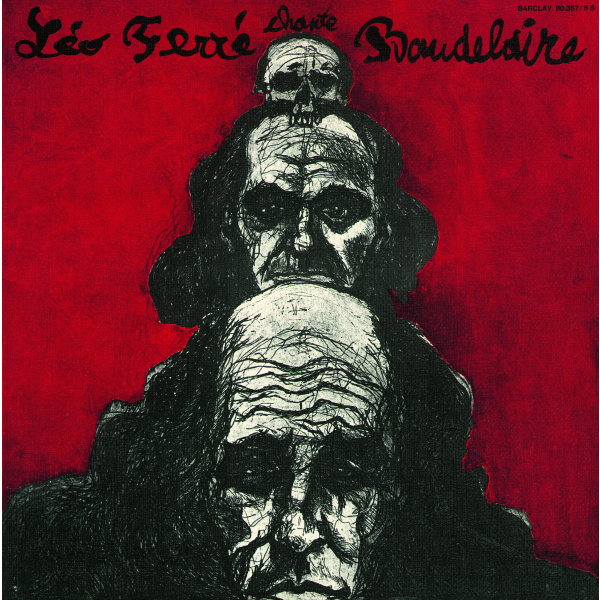
Léo Ferré's "Épigraphe" isn't a song so much as a warning label, a dare wrapped in elegant French verse. It's a gauntlet thrown down before the "paisible et bucolique" reader, the "naïf homme de bien" who might stumble upon Ferré's work expecting gentle melodies and pleasantries. He preemptively rejects the casual listener, advising them to cast aside this "saturnien, orgiaque et mélancolique" book—this metaphorical record of his soul—if they haven't consorted with the devil himself. Ferré demands a certain darkness, a shared understanding of the abyss, for his art to truly resonate. The lyrics analysis reveals a defensive posture, a preemptive strike against those who would misunderstand or trivialize the depths of his emotional landscape.
The core of "Épigraphe" lies in its challenge. Ferré isn't seeking passive admiration; he craves profound connection. He acknowledges the risk: without the proper preparation, the listener might deem him "hystérique," a dangerous lunatic. But for those brave enough to look into the abyss, to see the world through his tormented lens, there's a promise of something deeper. He proposes a Faustian bargain of sorts: "Lis-moi, pour apprendre à m'aimer." Only through confronting the darkness within his work can one truly understand and, perhaps, even love him.
The final couplet seals the deal with a chilling ultimatum. He addresses the "âme curieuse qui souffres," the soul searching for its own paradise, hinting that his work might offer a path—albeit a painful one. But the closing threat is unmistakable: "Plains-moi!... Sinon, je te maudis!" Pity is preferable to indifference, empathy to dismissal. The song meaning distills to a desperate plea for authentic engagement, a refusal to be superficially consumed. Ferré demands to be felt, to be understood, or else he’ll unleash his curse. It's a bold, uncompromising artistic statement, daring the listener to prove their worthiness.
 View Artist