Song Meaning
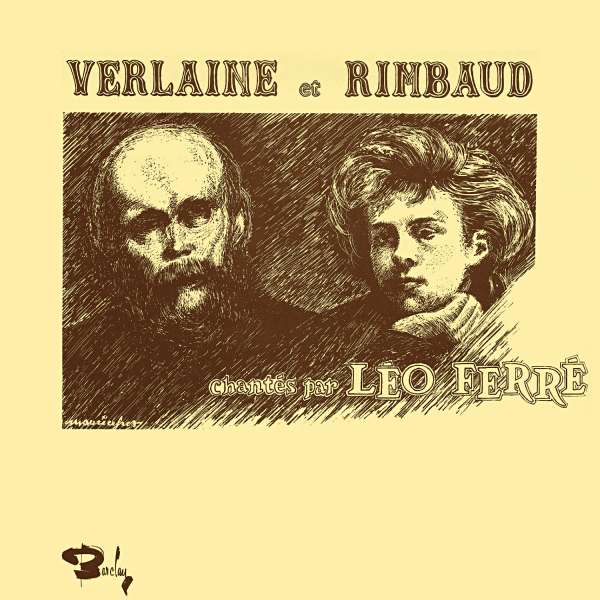
Léo Ferré's rendition of Paul Verlaine's "Clair de lune" isn't simply a musical adaptation; it's a haunting excavation of the human psyche veiled in pastoral elegance. Verlaine's original poem, a cornerstone of the Symbolist movement, uses the image of a moonlit landscape populated by masked figures to explore themes of artifice, melancholy, and the elusive nature of happiness. Ferré, a master of interpreting poetic texts, amplifies these themes, his arrangement adding layers of emotional complexity. The 'masques et bergamasques,' stock characters from the Commedia dell'arte, become stand-ins for the personas we adopt, the roles we play to navigate social interactions, often concealing our true feelings.
The crucial element is the dissonance between outward appearance and inner reality. These figures sing of 'l'amour vainqueur et la vie opportune' – victorious love and opportune life – yet 'n'ont pas l'air de croire à leur bonheur' (they don't seem to believe in their happiness). This disconnect speaks to a profound sense of alienation, a recognition that the pursuit of pleasure and fulfillment can often be a hollow charade. The 'mode mineur' (minor key) in which they sing underscores this underlying sadness, a subtle acknowledgment of the pain that often accompanies the human condition. The song meaning resides in this tension.
Ultimately, "Clair de lune" uses the moonlit backdrop to create a space for introspection. The 'calme clair de lune triste et beau' (calm, beautiful, sad moonlight) acts as a catalyst, prompting the birds to dream and the fountains to 'sangloter d'extase' (sob with ecstasy). This image suggests a release of pent-up emotions, a cathartic experience triggered by the beauty and tranquility of the natural world. Ferré's interpretation doesn't offer easy answers or resolutions. Instead, it invites us to confront the complexities of our own emotional landscapes, to recognize the masks we wear, and to find solace, however fleeting, in the shared experience of melancholy. The song remains relevant because that melancholy, that sense of performance, persists today.
 View Artist