Song Meaning
The lyrics paint a picture of someone who has embraced a state of unhappiness, particularly stemming from unrequited love. The opening lines directly challenge a naive belief in romance, suggesting the narrator has experienced a harsh reality check that stripped away their former optimism, symbolized by a lost "bright toothpaste grin." This sets a tone of wry resignation rather than outright despair.
The central tension lies in the narrator's paradoxical declaration: "Very glad to be unhappy." This isn't a simple complaint; it's an active, almost defiant acceptance of their melancholic state. The phrase "Fools rush in" implies a self-aware acknowledgment of their own predicament, yet they remain "more than glad to be unhappy," suggesting a strange comfort or even a perverse satisfaction in this chosen misery.
The most striking craft element is the juxtaposition of "unhappy" and "glad." The lyrics repeatedly emphasize this contradiction, particularly in the chorus and the final lines. The image of a "straying baby lamb / With no mammy and no pappy" powerfully conveys a sense of abandonment and vulnerability, yet this profound sadness is immediately followed by the assertion of being "so glad." This deliberate contrast highlights a complex emotional state where sorrow has become a familiar, almost cherished companion.
This lyrical approach is effective because it taps into the often unspoken experience of finding a peculiar solace in sadness, especially when love is involved. The narrator isn't just sad; they've found a way to be "glad" about it, suggesting that the pain of unrequited love, while a "bore," also offers a strange sense of purpose or identity. The lyrics suggest that for someone deeply invested in an object of affection, even the suffering associated with that love can feel like a worthwhile, albeit unhappy, experience.
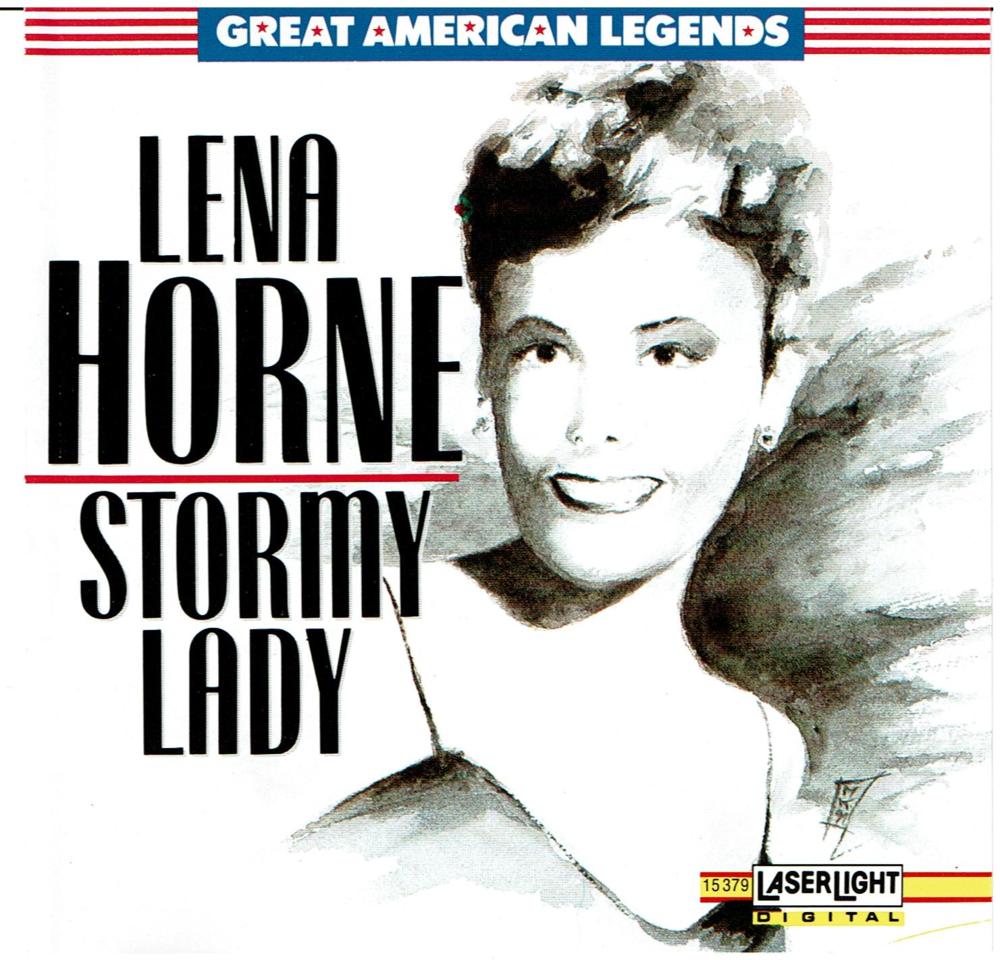
 View Artist