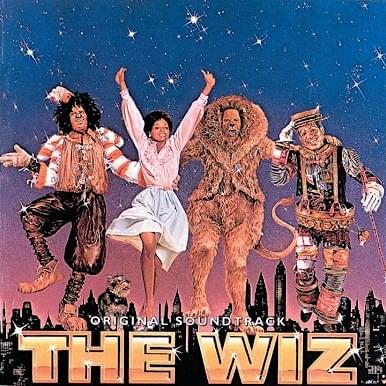
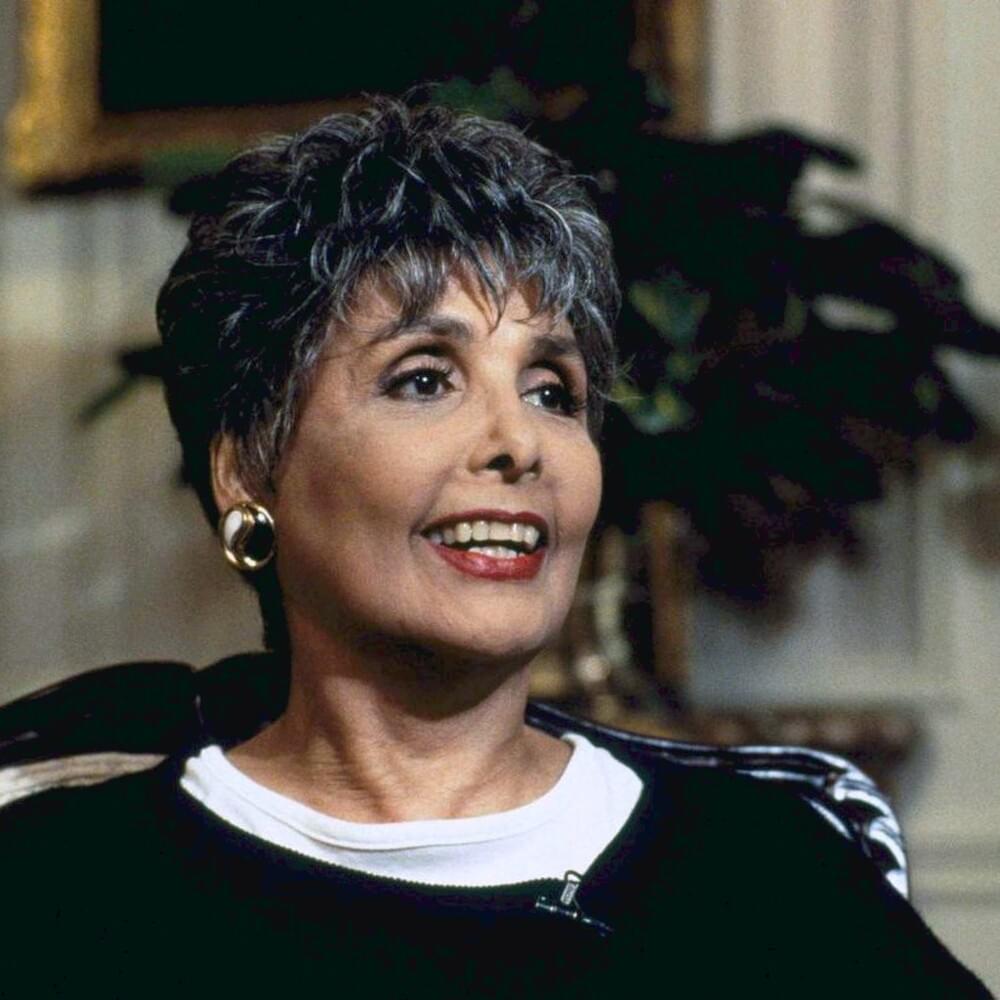
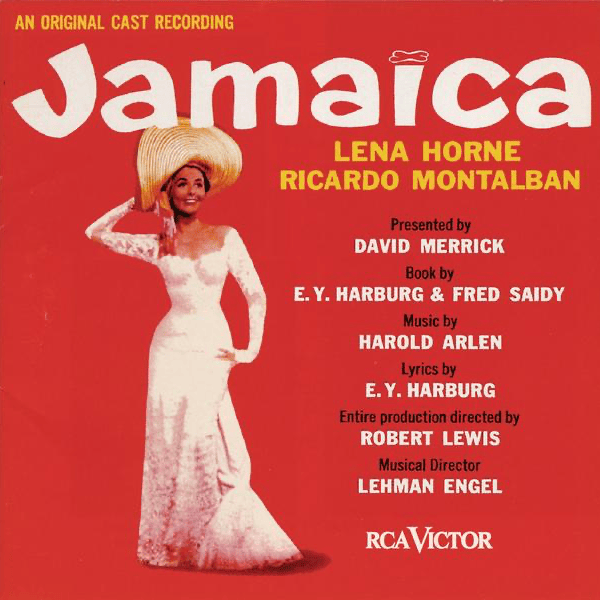
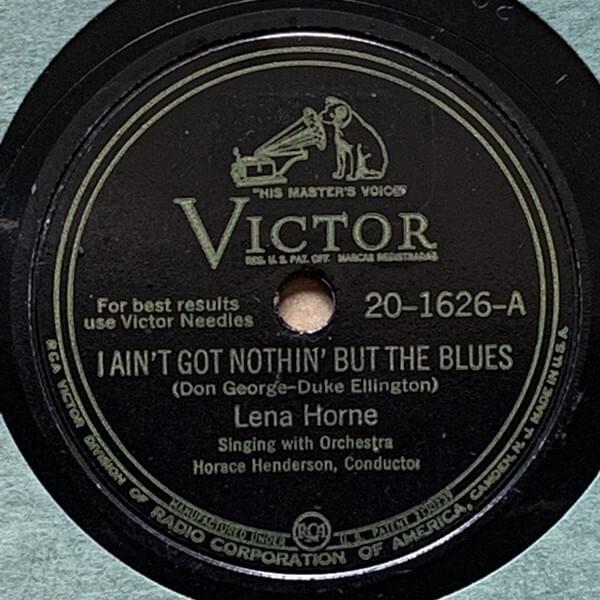
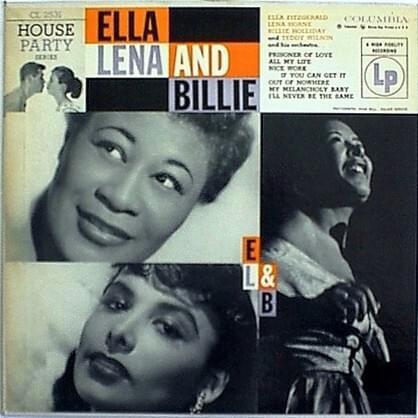
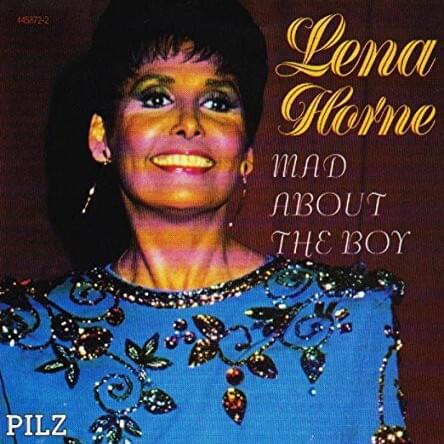
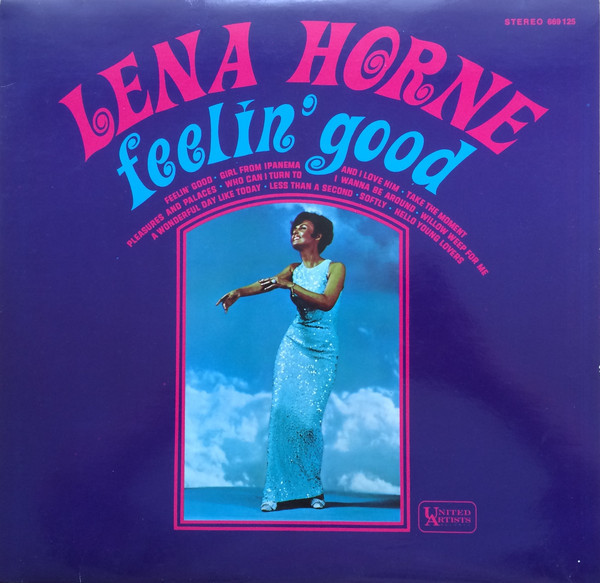
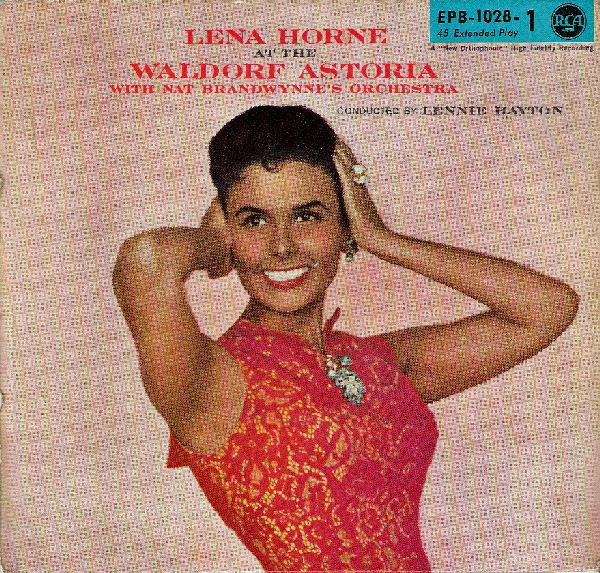
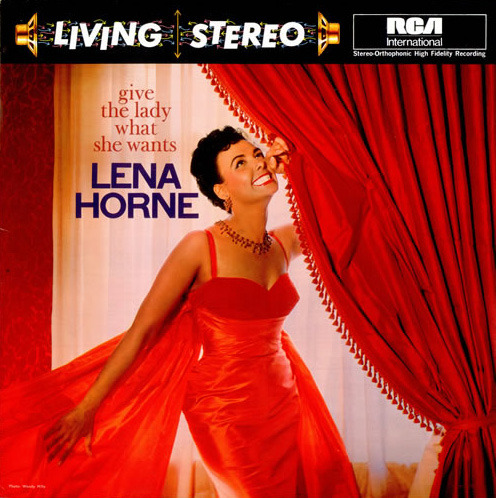
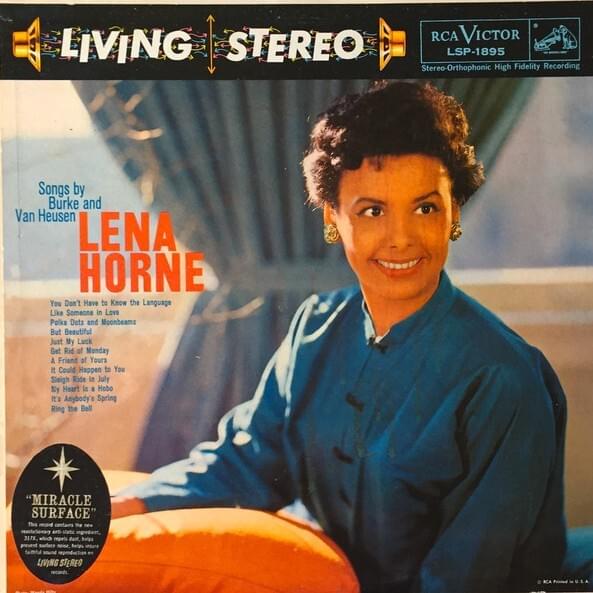
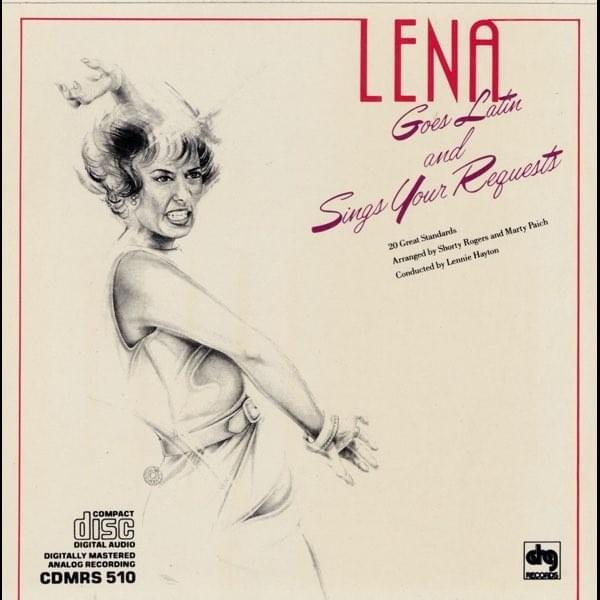
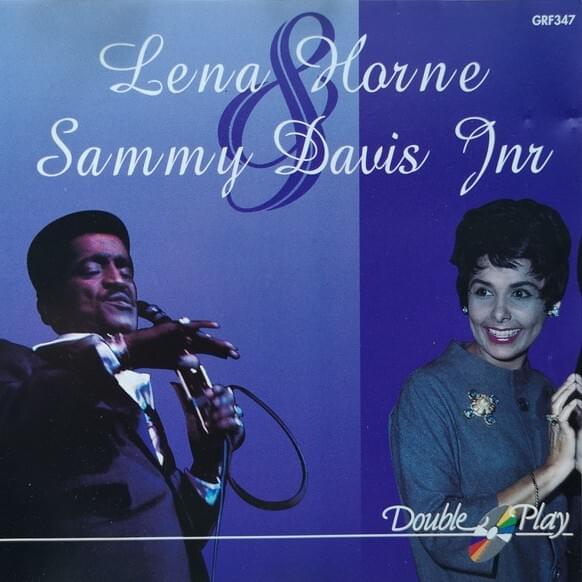
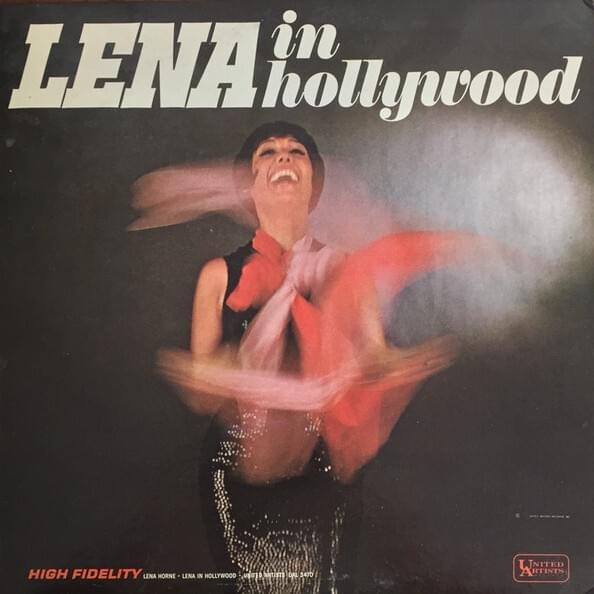
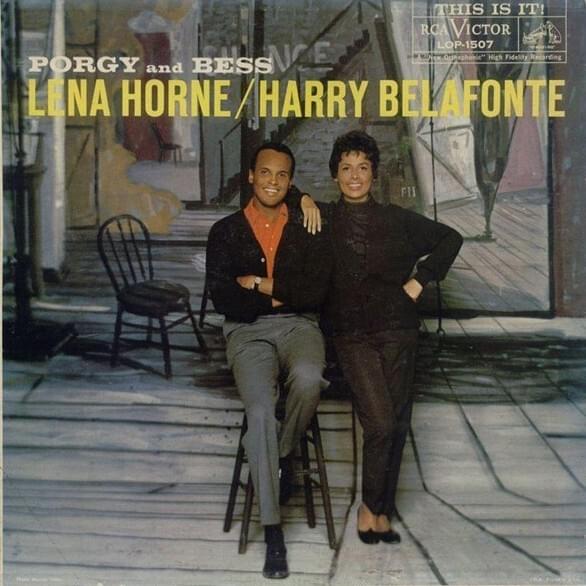
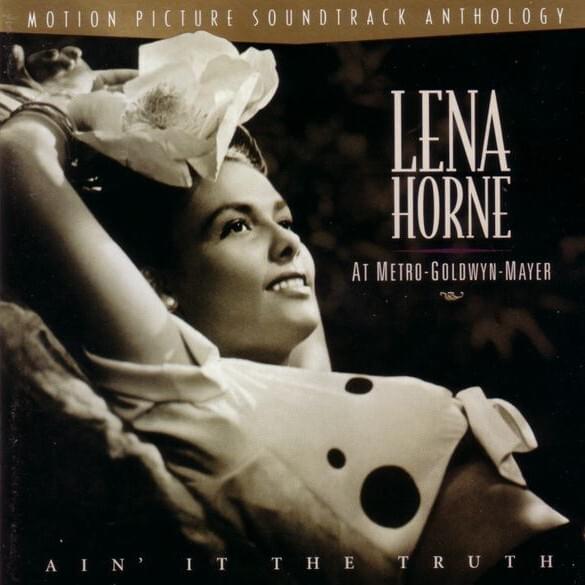
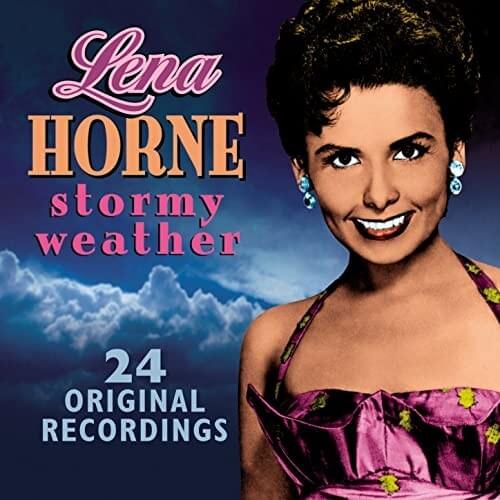
Lena Horne wasn't just a singer; she was an icon, a symbol of grace, and a powerful voice against racial injustice. Born in Brooklyn, New York, on June 30, 1917, Horne's journey took her from the Cotton Club chorus line to Hollywood stardom, and ultimately, to becoming one of the most respected and beloved performers of the 20th century. Her captivating stage presence, combined with a voice that could convey both vulnerability and strength, made her a truly unique talent.
Horne's early career saw her breaking barriers in a segregated entertainment industry. She signed with MGM in the 1940s, becoming one of the first African American women to secure a long-term contract with a major Hollywood studio. While often relegated to singing roles that could be easily cut for Southern theaters, Horne used her platform to advocate for civil rights. Her commitment to equality was unwavering, and she often refused to perform for segregated audiences. This dedication cost her opportunities but solidified her reputation as a woman of principle.
Musically, Lena Horne possessed a remarkable versatility. She effortlessly moved between jazz standards, Broadway show tunes, and pop ballads. Her interpretations were always deeply personal, imbued with a sense of sophistication and emotional depth. Consider her rendition of Someone to Watch Over Me, a timeless classic that she made her own. Or the haunting beauty of What'll I Do, a song that showcased her ability to convey heartbreak with understated elegance. She could swing with the best of them, as evidenced by her dynamic performance of Old Devil Moon.
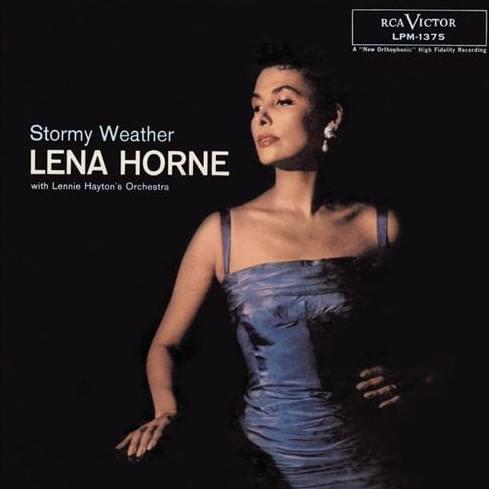
Beyond her vocal talent, Horne was a compelling actress, appearing in films like "Stormy Weather" and "Cabin in the Sky." Her activism extended beyond the stage and screen, as she actively participated in civil rights marches and lent her voice to numerous causes. She understood the power of her celebrity and used it to fight for a more just and equitable world.
Later in her career, Horne received numerous accolades, including a Tony Award for her one-woman show, "Lena Horne: The Lady and Her Music." This critically acclaimed production celebrated her life and career, showcasing her enduring talent and unwavering spirit. The grace of The Rules of the Road, is a classic example of her later work. She continued to perform and record well into her later years, leaving behind a legacy of artistic excellence and social activism. The heartfelt delivery found in I Hadn't Anyone Till You, is just one example of her talent. Lena Horne passed away on May 9, 2010, but her music and her message continue to inspire generations. Her recording of As You Desire Me, is just one example of her contributions to the music world.