Song Meaning
Lefty Frizzell's "Lost Love Blues" isn't just a lament; it's a barbed warning disguised as a country shuffle. The surface narrative seems simple: a relationship teetering on the brink due to mutual stubbornness. But the undercurrent is a fascinating blend of wounded pride and subtle threat. Frizzell isn't just sad; he's predicting—almost willing—the other person's downfall into heartbreak. The repeated line, "Baby, you might be the one to lose," carries a weight far beyond simple concern. It hints at a power struggle, a game of emotional chicken where Frizzell positions himself as the one with less to lose. This song meaning revolves around the precarious balance of power within a relationship, and the potential for one partner to inflict pain under the guise of self-preservation. The almost gleeful delivery of the line "honey bunch, I never liked the blues" adds a disturbing layer of detachment.
The psychology at play here is complex. On one hand, there's the classic defense mechanism of projecting one's own fears onto the other person. Frizzell anticipates being hurt, so he preemptively paints his partner as the likely victim. This could stem from deep-seated insecurities or a past history of relational trauma. On the other hand, there's a hint of narcissistic injury. The lyrics suggest a partner who is perceived as overly confident and self-assured ("You think you're so smart that you can never lose"). Frizzell's prediction of their heartbreak could be interpreted as a form of revenge, a desire to see them humbled and brought down to his level of emotional vulnerability.
Ultimately, "Lost Love Blues" transcends the typical country heartbreak song. It's a study in passive-aggressive behavior, a glimpse into the darker corners of romantic conflict. The lyrics paint a picture of a relationship where love has become a battleground, and the ultimate victory is not happiness, but the avoidance of pain – even if it means inflicting it on someone else. Frizzell's masterful delivery, combined with the deceptively simple melody, makes this a chillingly effective exploration of the human capacity for emotional manipulation.
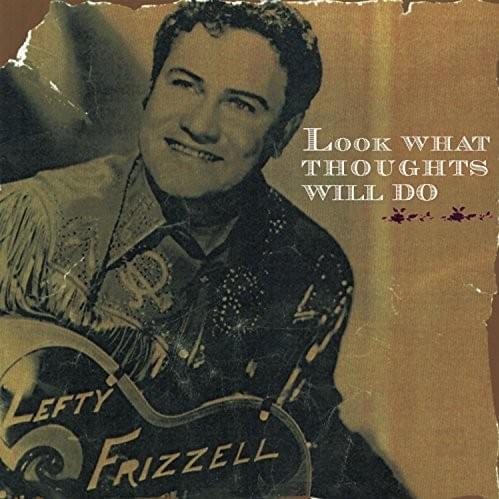
 View Artist