Song Meaning
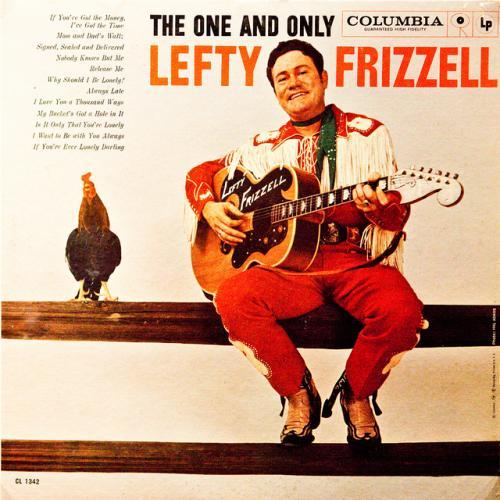
Lefty Frizzell's "If You're Ever Lonely Darling" isn't just a country lament; it’s a masterclass in passive aggression disguised as heartfelt concern. The opening lines, dripping with a saccharine sweetness, immediately establish a power dynamic. It's a performance of empathy, delivered with the barely concealed barb of someone who feels wronged. He's not simply offering solace; he's reminding the subject of their past transgressions, subtly suggesting that any future loneliness is self-inflicted karma. The song meaning isn't about missing someone, it's about predicting their downfall. Frizzell weaponizes the concept of loneliness.
The chorus amplifies this sentiment. The lines "Say in your mind you have it coming / And you know you have to pay" are devoid of any genuine compassion. It’s a calculated prediction of deserved suffering, wrapped in the guise of a folksy proverb. The singer positions himself as the wise observer, patiently waiting for the inevitable consequences of the other person's actions. This isn’t just heartbreak; it’s a slow burn of resentment, simmering beneath the surface of a seemingly sympathetic ballad. The repetition of the chorus drills home the idea of impending retribution, a constant reminder of the debt owed.
"Why, oh, why / Did you try to deceive me?" is not a question asked in earnest. It's rhetorical, a theatrical display of hurt designed to further solidify the singer's victimhood. The phrase "You've made me blue, sweetheart / Both night and day" is classic country heartbreak, but even here, there's a layer of manipulation. The proclaimed sadness serves to reinforce the idea that the other person is responsible for his suffering, and therefore deserving of their own future loneliness. The song’s brilliance lies in its ability to present this vindictive sentiment as a tender expression of concern. The lyrics analysis reveals a complex blend of hurt, resentment, and a subtle desire for revenge, all packaged within the familiar framework of a classic country weeper.
 View Artist