Song Meaning
The narrator grapples with a relationship marked by their partner's volatile emotions and easy dismissals. The lyrics paint a picture of someone who frequently gets upset, threatens to break up, but then acts as if nothing happened, leaving the narrator questioning their own significance. This constant push and pull creates a deep sense of insecurity, as the narrator feels they are cherished for even the smallest gestures while being perceived as just an ordinary person by their partner.
The central tension lies in the narrator's desperate need for reciprocation versus the partner's apparent indifference. The repeated question, "너는 왜 나를 아쉬워하지 않을까" (Why don't you miss me?), underscores this yearning for validation. The narrator feels like a temporary figure, someone destined to pass by, while their partner's actions suggest a lack of emotional investment. This disparity is agonizing, especially when the narrator admits they are too exhausted to voice their own feelings of being "여기까지라고 이젠 지쳤다고" (It's been enough, I'm tired now).
The lyrics skillfully employ contrast to highlight this emotional imbalance. The narrator cherishes "초점 없는 눈빛과 짧은 말투" (unfocused eyes and short speech) and even "감정 없는 끄덕임" (emotionless nods), finding value in what little is offered. Yet, they perceive themselves as "그저 그런 사람" (just an ordinary person) to their partner. This self-deprecation, born from the partner's perceived lack of longing, is a powerful depiction of a one-sided emotional investment, making the narrator's plea for simple affection – "사랑스럽던 너의 미소 하나" (just one of your lovely smiles) – feel profoundly poignant.
Ultimately, the effectiveness of these lyrics stems from their raw portrayal of emotional exhaustion and unrequited need. The narrator's internal struggle, their inability to end the relationship despite the pain, and their persistent questioning of the partner's feelings create a palpable sense of melancholy. The closing lines, where the partner seems to expect the narrator to initiate the end, "먼저 내가 끝내길 바라며" (hoping I'll end it first), reveal a manipulative dynamic that amplifies the narrator's suffering and the painful realization that the relationship has long since ended in spirit.
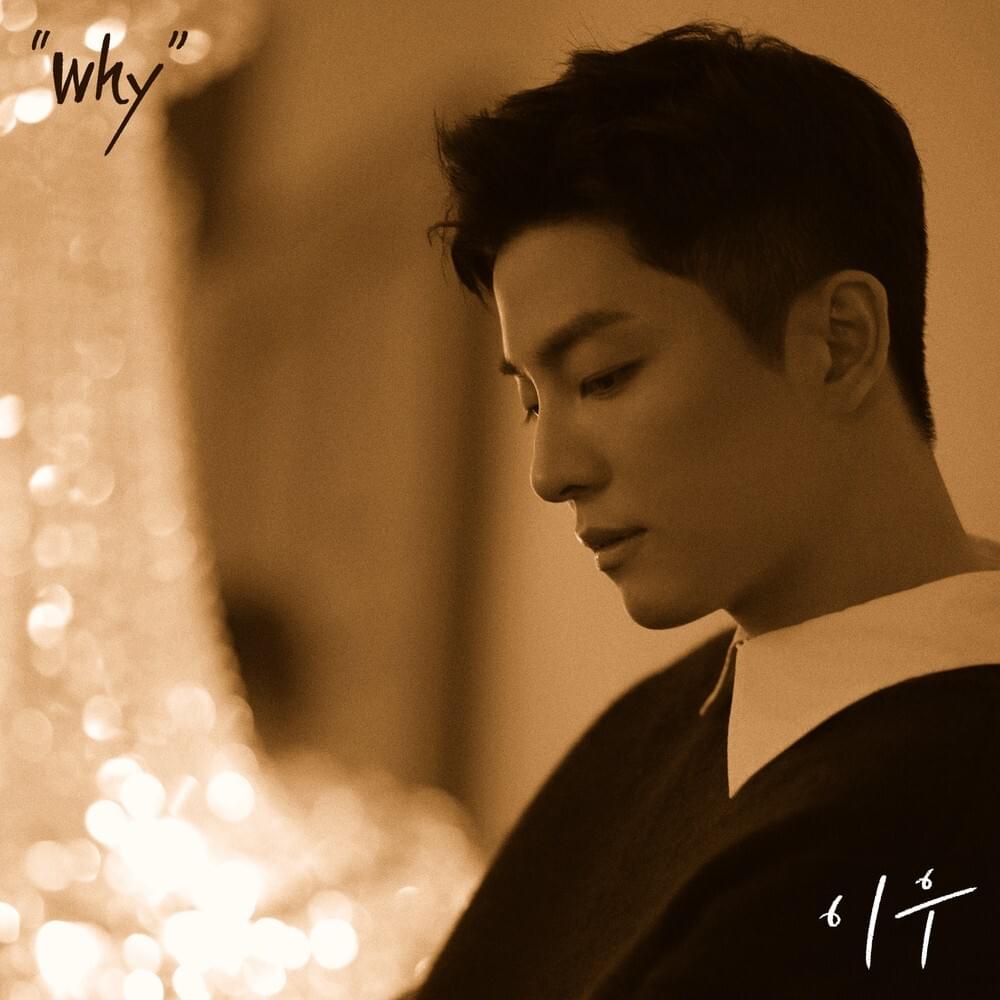
 View Artist