Song Meaning
The narrator finds himself in a familiar, slightly melancholic setting, ending a day with friends at a humble bar. The dominant emotion is a sudden, unexpected wave of nostalgia triggered by a song playing in the background. This song is specifically linked to a past relationship, immediately bringing back memories of shared moments. The lyrics capture that specific sting when a familiar tune, once a shared joy, now serves as a painful reminder of what's lost. It's a quiet, almost involuntary descent into memory, fueled by a simple, everyday experience.
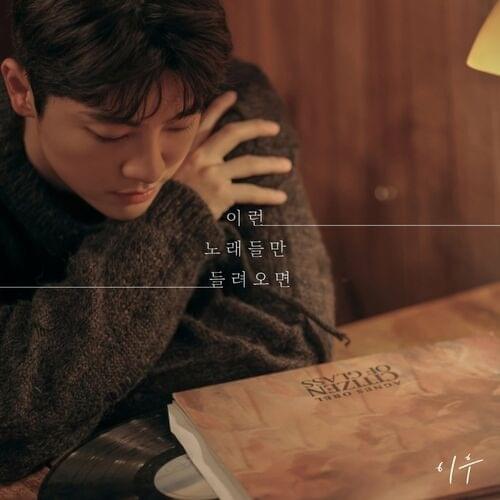
The core tension arises from the narrator's attempt to move on versus the persistent pull of the past. He thought he was "forgetting everything" and "seemed fine," but the recurring presence of "these kinds of songs" shatters that illusion. The music acts as an unavoidable trigger, forcing him to confront feelings he believed were buried. This isn't a dramatic breakdown, but a subtle, internal struggle where a song's melody becomes a battleground for his unresolved emotions. The repetition of "어김없이 이런 노래들만 들려오면" (Whenever these kinds of songs play) emphasizes the inescapable nature of these memories.
The most striking craft element is how the song uses a specific, shared musical experience as a metaphor for the entire relationship. The narrator states, "It's just like us, this song today." This isn't just about liking a song; it's about the song embodying their shared history, their laughter, and their tears. The bridge reveals a deeper layer, where the narrator uses the song as an excuse to finally express unspoken feelings to his past love, singing "the heart I pretended not to know" to "you that day." It's a poignant use of an external trigger to address internal, unexpressed pain.
Ultimately, the effectiveness of these lyrics lies in their grounded, relatable depiction of how music can unexpectedly transport us back in time and resurface buried emotions. The narrator's admission, "I guess I'm getting drunk again," suggests that the emotional intoxication from the memories is as potent as any alcohol. The final line, "I guess I can't forget you," is a simple, direct confession that lands with quiet power, confirming that the song's melody has indeed led him back to an undeniable truth about his lingering feelings.
 View Artist