Song Meaning
The lyrics paint a stark picture of romantic isolation, contrasting the narrator's personal experience with the seemingly universal narrative of love and partnership. The opening lines immediately establish a sense of exclusion: "They're writing songs of love, but not for me." This isn't just a personal setback; it's a feeling of being fundamentally outside the common human experience, a sentiment echoed by the "lucky star's above, but not for me." The narrator observes a world where romance seems to be the default, a plot that always leads to a "marriage knot," a resolution that remains perpetually out of reach for him.
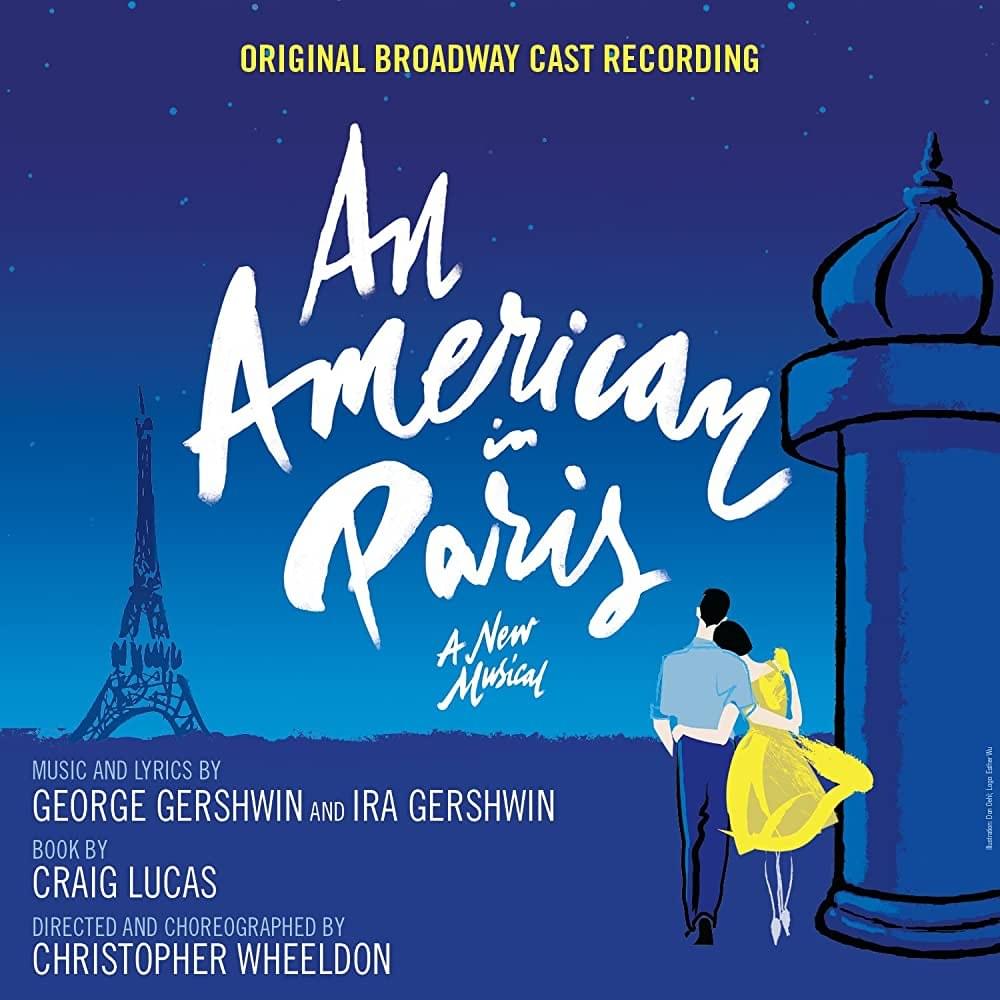
The central tension lies in the narrator's resigned acceptance of his romantic solitude, even as he acknowledges the allure of connection. While his companion Milo urges him to "dance with the lady," to engage with life and potential romance, Adam's perspective is one of persistent disappointment. He's "found more skies of grey" than any grand narrative could promise, and the memory of a kiss, while potent, only serves to highlight what he "guess[es] she's not for me." This creates a poignant internal conflict between the desire for connection and the ingrained belief that it's not meant for him.
The craft here is deceptively simple, relying on direct statements and a clear contrast between the narrator's internal state and the external world. The repetition of "but not for me" acts as a refrain of exclusion, hammering home the narrator's singular fate. The juxtaposition of romantic tropes like "songs of love" and "marriage knot" with his personal reality of "skies of grey" and "lonely nights" underscores his feeling of being an anomaly. The brief, almost dismissive interjections from Milo ("Shall we dance to romance?" "You'd better dance with the lady") serve to amplify Adam's isolation, highlighting his inability or unwillingness to participate in the very experiences being offered.
Ultimately, the effectiveness of these lyrics stems from their raw, unvarnished portrayal of romantic disappointment. There's no grand metaphor or complex narrative twist; instead, it's the blunt honesty of Adam's pronouncements that resonates. The feeling of being left out, of observing happiness from a distance while acknowledging its existence, is rendered with a quiet desperation. The lyrics capture that specific ache of realizing you're on the outside of a fundamental human experience, a realization that feels both deeply personal and, in its own way, universally understood.
 View Artist