Song Meaning
This song paints a picture of overwhelming devotion, framing the beloved as celestial and the narrator's love as boundless. The opening lines immediately elevate the subject, comparing their smile to stars and their gaze to moonlight, suggesting a love that illuminates and guides. The narrator expresses a willingness to give "todo universo" (the whole universe) just to keep this "princesa" (princess) close, a hyperbolic declaration underscoring the depth of their adoration and a desperate plea: "Por favor não vá" (Please don't go).
The core tension lies in the narrator's intense, almost desperate need for reciprocation and permanence in the face of potential rejection. They describe the "paixão" (passion) in their chest and the "amor guardado" (love kept) in their heart, ready to "Gritarei ao mundo que te amo" (Shout to the world that I love you) with pride. This outward declaration is a bid for validation, hoping the beloved will "se orgulhar de mim" (be proud of me), suggesting their love is not just personal but also a source of external affirmation.
The lyrics employ a powerful, almost pleading tone, particularly in the third stanza. The narrator invites the beloved to "Arranque todos os segredos meus" (Tear out all my secrets) and "Ocupe a solidão do coração que te pertence" (Occupy the loneliness of the heart that belongs to you), a vivid image of surrender and a desire for complete emotional integration. This is all in service of the ultimate goal: "Pra nunca mais me dizer adeus" (So you never say goodbye to me again), highlighting the fear of abandonment.
What makes these lyrics resonate is the raw, unvarnished expression of vulnerability and persistence. Even when faced with the possibility of the beloved no longer wanting them, the narrator vows not to give up, repeating "Vou gritar te amo demais" (I will shout I love you too much) as a testament to their unwavering commitment. This relentless pursuit, while potentially overwhelming, conveys a profound sense of love that refuses to be silenced, even if it means facing rejection repeatedly.
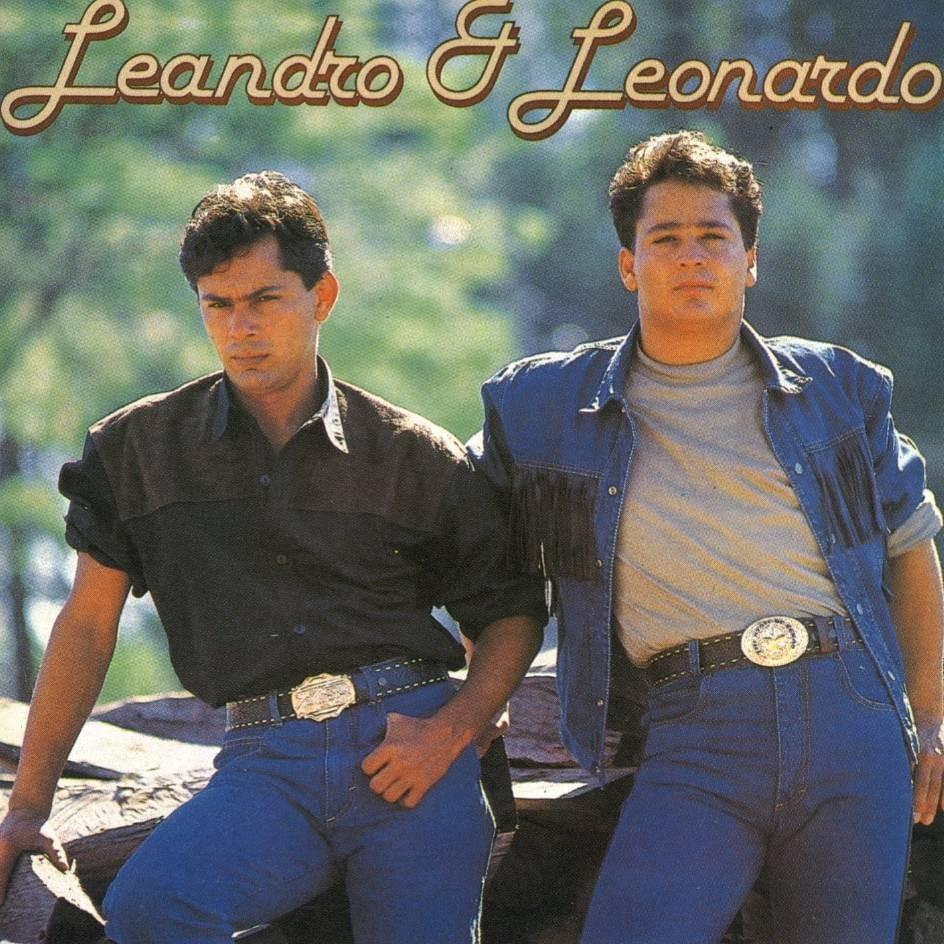
 View Artist