Song Meaning
The lyrics paint a stark picture of loneliness against the relentless march of time. The opening lines, "O tempo vai / O tempo vem / A vida passa," establish a sense of ongoing existence that the narrator feels utterly detached from. This feeling is immediately amplified by the direct, almost desperate, question: "E eu sem ninguém." It's a simple, profound statement of isolation, setting the emotional stage for the rest of the song.
The central tension revolves around absence and unanswered longing. The repeated refrain, "Cadê você / Que nunca mais apareceu aqui," is a direct plea for someone who has vanished without a trace. The narrator laments not just the physical absence but the loss of joy and connection, noting the person "não voltou pra me fazer sorrir." The lack of even a simple communication, "E nem ligou," underscores the depth of this abandonment.
The most striking aspect is the narrator's eventual resignation. After the fervent questioning, there's a sudden shift to "Mas não faz mal / Pois eu me calo / Tá tudo bem." This isn't necessarily a sign of genuine healing, but perhaps a defense mechanism. The contrast between the earlier emotional outpouring and this quiet, almost passive acceptance creates a poignant, unsettling feeling. It suggests a deep well of sadness that the narrator has learned to suppress rather than resolve.
This lyrical construction is effective because it mirrors the ebb and flow of grief and longing. The initial, almost childlike, questioning gives way to a more mature, albeit somber, acknowledgment of reality. The simplicity of the language, particularly in the refrain, makes the emotional weight feel immediate and raw. The abrupt shift to resignation leaves the listener with a lingering sense of unresolved pain, highlighting the quiet devastation of being forgotten.
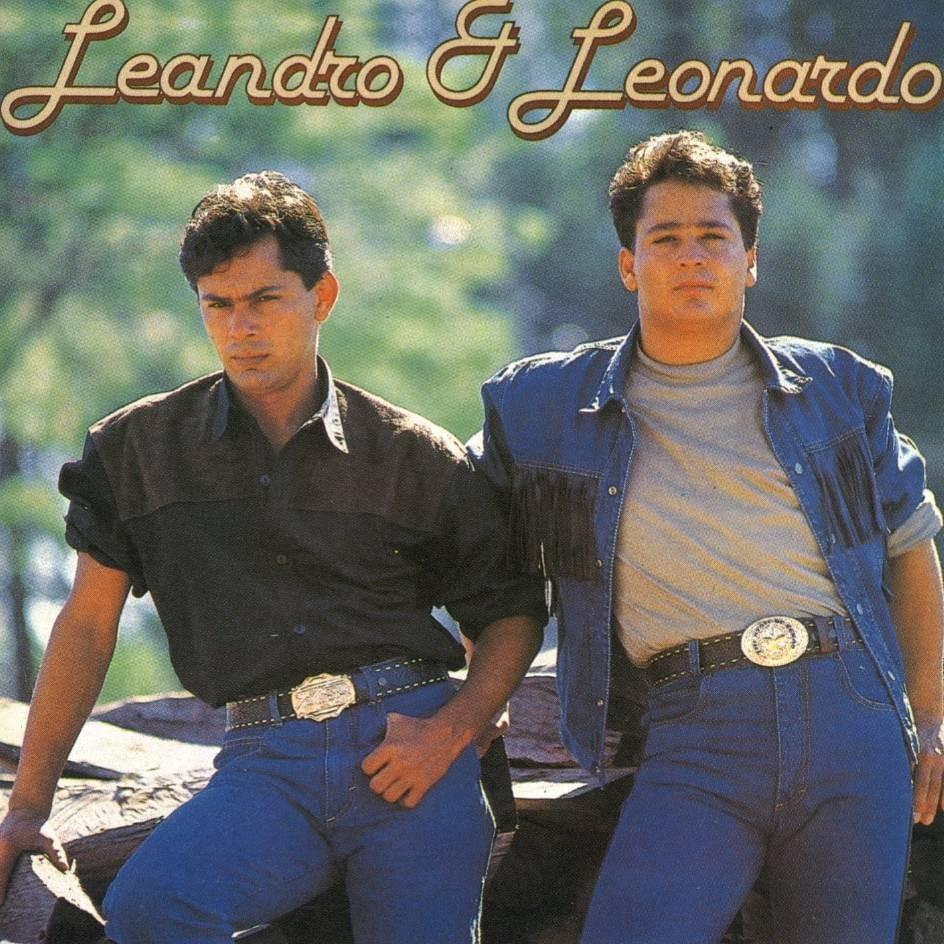
 View Artist