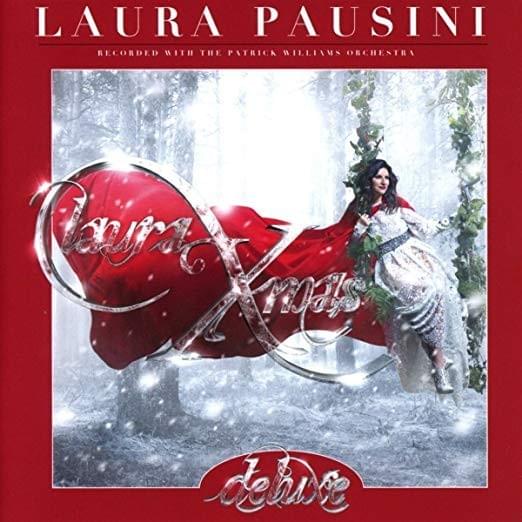
Song Meaning
Laura Pausini's rendition of "White Christmas" isn't just a cover; it's a poignant exploration of longing and the idealized past refracted through the lens of a universally recognized holiday. The song's simplicity is deceptive. While superficially about a picturesque, snow-laden Christmas, the yearning inherent in the lyrics—"I'm dreaming of a white Christmas / Just like the ones I used to know"—reveals a deeper desire for a return to innocence, a time when the magic of Christmas felt more palpable and genuine. Pausini's vocal delivery, imbued with a subtle melancholy, amplifies this sense of wistful reflection. It's not merely a celebration, but a yearning for a feeling. The song subtly acknowledges the psychological weight of nostalgia, the way we tend to selectively remember the past, burnishing it with an idyllic glow that reality rarely matches.
The act of writing Christmas cards, mentioned repeatedly, becomes a symbolic gesture. It's a reaching out, a tangible attempt to connect with others and spread the idealized vision of "merry and bright" that the singer herself seems to be chasing. The repetition of "May your days be merry and bright / And may all your Christmases be white" almost takes on the quality of a mantra, a hopeful incantation against the potential for disappointment and the inevitable complexities of adult life. The "white Christmas" isn't just about snow; it represents a purity of experience, a sense of uncomplicated joy that becomes increasingly elusive as we age.
Ultimately, Pausini’s interpretation of "White Christmas" touches on the bittersweet nature of the holiday season itself. It’s a time of heightened expectations, often juxtaposed against the realities of family dynamics, financial pressures, and the inescapable passage of time. The song becomes a vehicle for processing these conflicting emotions, offering a comforting, albeit slightly melancholic, reminder of the enduring power of hope and the human need for connection, even if that connection is rooted in a shared, somewhat romanticized, vision of the past.