Song Meaning
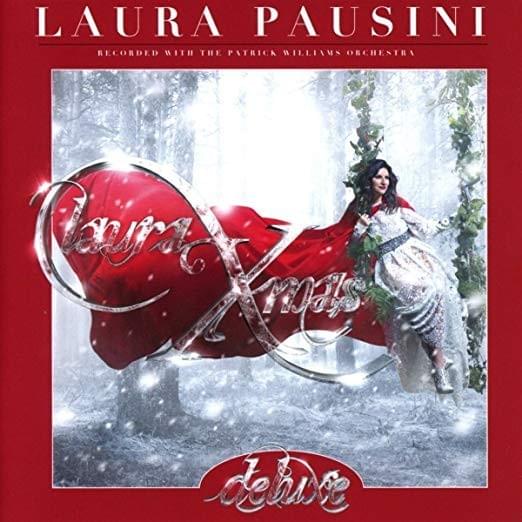
Laura Pausini's "Noël blanc" isn't just another carol; it's a wistful portal to childhood, dipped in the melancholic beauty of memory. Sung in French, the lyrics bypass cliché, opting instead for the raw emotionality embedded in sonic nostalgia. The song meaning hinges less on the religious implications of Christmas and more on the psychological weight of returning to a simpler, more innocent self. It acknowledges the inherent bittersweetness: the joy of childhood revisited is always tinged with the understanding that it's irrevocably gone.
The recurring imagery—the shimmering tree, the 'silver snow,' the descending 'old man'—are classic Christmas symbols, but Pausini uses them as triggers, unlocking deeply personal associations. The repeated invocation of 'Noël blanc' (White Christmas) acts as a mantra, grounding the singer in a specific emotional landscape. Crucially, the lyrics pivot around the singer's mother ('tes yeux clairs, maman'), suggesting that the idealized Christmas is inseparable from maternal love and security. The mother's 'clear eyes' become a symbol of unwavering comfort, further solidifying the song's focus on familial bonds as the core of holiday sentiment.
Ultimately, "Noël blanc" transcends mere holiday cheer. It's a poignant meditation on the enduring power of childhood memories to shape our adult emotional lives. The act of 'dreaming of other White Christmases' isn't just a longing for past celebrations; it's a yearning for the feeling of safety and unconditional love that defined those early years. Pausini understands that the true magic of Christmas lies not in the spectacle, but in the quiet, internal echoes of our own personal history. The song serves as a reminder that the most cherished gifts are often the intangible ones, wrapped in the fragile paper of remembrance.