Song Meaning
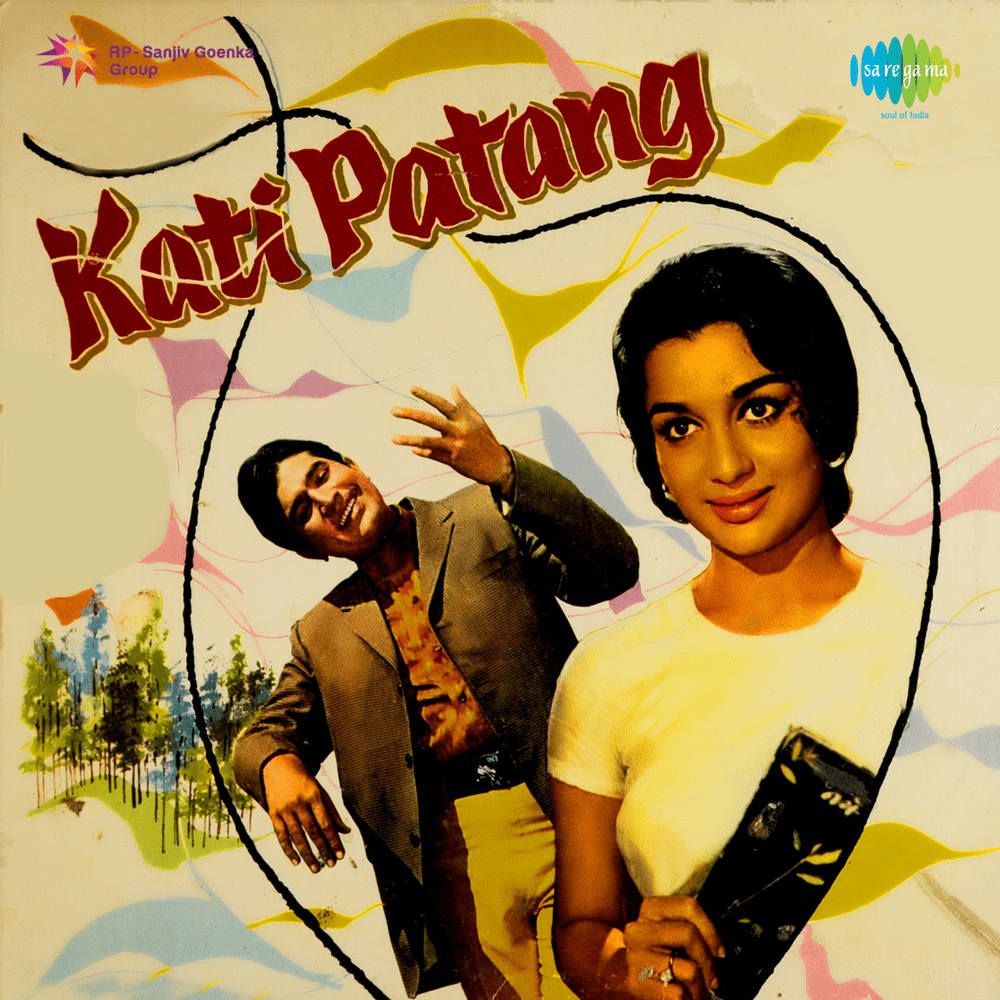
The lyrics paint a stark picture of profound emptiness and abandonment. The opening lines immediately establish a tone of desolation: "Na koi umang hai, na koi tarang hai" (There is no enthusiasm, no excitement). This feeling is crystallized in the central metaphor, "Meri zindagi hai kya, ik katti patang hai" (What is my life, but a cut kite?). This image powerfully conveys a sense of being adrift, directionless, and disconnected from any guiding force.
The narrator's past is marked by a traumatic separation, described as falling "from the sky." The world's indifference is emphasized by the line, "Duniya ne phir na poocha" (The world didn't ask again), highlighting a deep sense of being wronged and forgotten. The feeling of isolation is further amplified by the absence of companionship: "Na kisi ka saath hai, na kisi ka sang hai" (There is no one's company, no one's togetherness).
A particularly poignant image emerges when the narrator reflects on her father's embrace: "Lag ke gale se apne, babul ke main na royi" (Clinging to my father's embrace, I didn't cry). This stoicism in the face of separation is contrasted with the somber procession of her wedding, which felt like a funeral: "Doli uthi yun jaise, arthi uthi ho koi" (The palanquin rose as if it were a bier). This juxtaposition reveals a deep-seated sorrow that has become an inseparable part of her being, "yahi dukh to aaj bhi mera ang sang hai" (this sorrow is still with me, part of my body and soul).
The lyrics conclude with a sense of resigned despair. The narrator identifies herself as the "shadow of autumn" and the "mirror of tears," a reflection of decay and sorrow. The repeated question, "Meri zindagi hai kya, ik katti patang hai?" (What is my life, but a cut kite?), isn't just a lament; it's a rhetorical question that underscores the utter lack of purpose and control she feels. The writing effectively uses these stark images and contrasts to evoke a powerful sense of loss and a life lived without joy or direction.
 View Artist