Song Meaning
The lyrics paint a picture of a fleeting, almost dreamlike connection, beginning with a whimsical "kissed a frog" moment in a "warm purple lake." The initial tone is one of youthful abandon, where the world feels red and a "lifeline like god" is readily available. This idyllic start, however, is tinged with a sense of being trapped or defined by a "past reversed," suggesting a present that is perhaps less free than it appears, all viewed through the lens of "blue eyes."
The core tension emerges in the chorus, "When the ships disappear." This signifies a moment of departure, of things and people leaving, leading to "longing." Yet, even in this absence, there's a persistent hope or possibility: "there is always one who finds the door to your mind." This suggests that despite loss, a connection or understanding can endure, a private space that remains accessible.
The lyrics then shift to a starker reality, contrasting days where "we become fools" with nights "with demons." The cost of these experiences is framed in terms of time and apathy, highlighting a struggle with internal battles. The recurring image of disappearing ships now carries a heavier weight, implying a complete severance where "no one waves anymore," and "nothing binds us to stay here." This feeling of being untethered is amplified by the metaphor of being "each other's chain dog," traveling "from mouth to mouth," a restless existence that seems to anticipate a future reunion with the "Friday child with blue eyes."
Ultimately, the effectiveness of these lyrics lies in their evocative imagery and the subtle emotional arc. The contrast between the innocent "kissed a frog" and the later, more desperate "chain dog" existence creates a powerful sense of lost innocence and ongoing searching. The recurring motif of disappearing ships, coupled with the persistent idea of finding a way into someone's mind, crafts a poignant narrative about connection, loss, and the enduring, albeit sometimes painful, human drive to find solace and understanding.
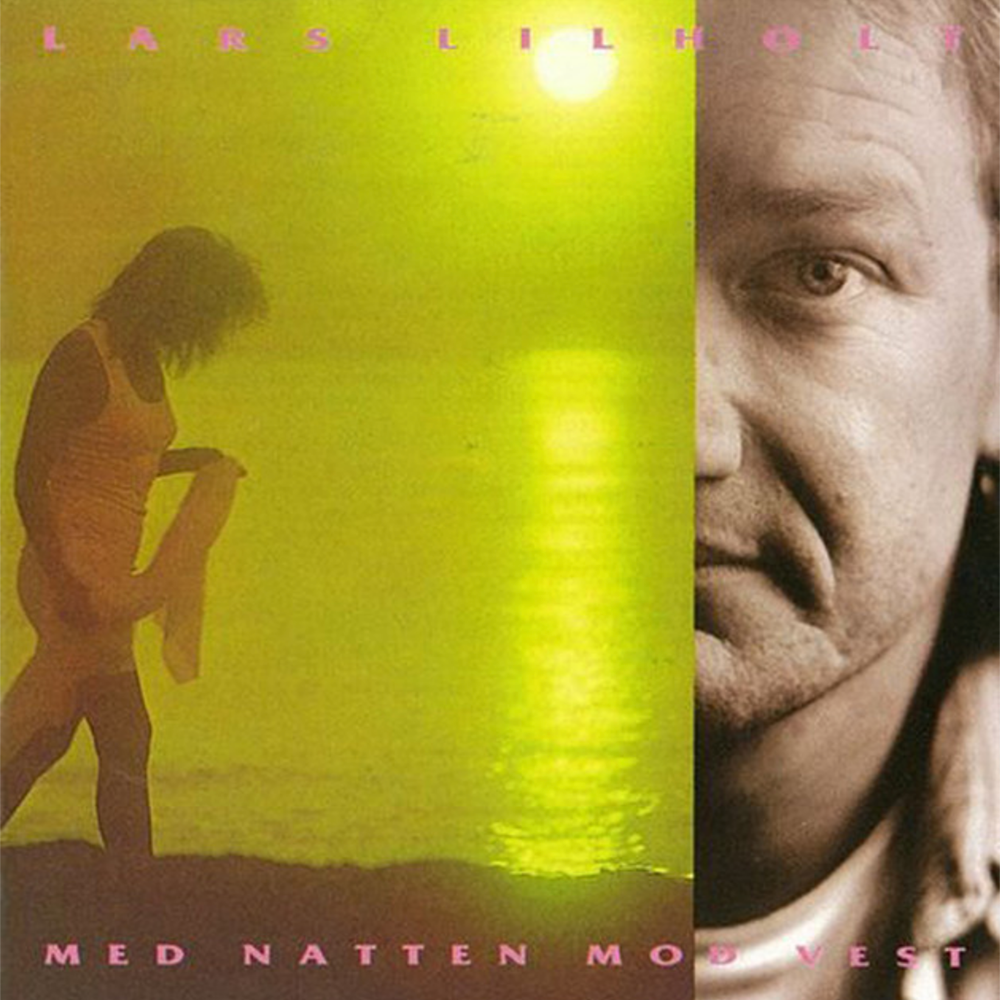
 View Artist