Song Meaning
The lyrics paint a vivid, almost mythic portrait of grandparents, seen through the eyes of a child. The grandfather is a "klode" (globe), a fixed, imposing presence around whom the rest of the family orbits. His "stramme lige mund" (tight, straight mouth) and stillness, sitting "tavs i karnappen med krogede knæ" (silent in the bay window with crooked knees), suggest a figure of quiet authority, perhaps even a bit distant or unyielding. The image of him as "et træ det tog tid at fælde" (a tree that took time to fell) hints at his enduring nature, but also perhaps a certain stubbornness or difficulty in being moved.
The grandmother, in contrast, is "rund" (round) and associated with warmth and comfort. She "lugtede af æbler, citronvand og løbesod" (smelled of apples, lemonade, and soot), sensory details that evoke a cozy, domestic scene, especially with "kaffetid" (coffee time) as a recurring ritual. Her "kittel" (smock) and the surprising detail of her braid being "længere end jeg har været" (longer than I have been) add a touch of gentle eccentricity and a sense of enduring, perhaps even magical, presence. The contrast between the grandfather's imposing stillness and the grandmother's comforting, sensory presence is striking.
The perspective shifts as the narrator grows, realizing that their own father and his siblings were once children, orbiting the same imposing grandfather. The narrator's own childhood is framed by hiding "bag det grønne sofahjørne" (behind the green sofa corner), observing "tolv par blanke sko" (twelve pairs of shiny shoes), a detail that suggests a large family gathering or a sense of being overwhelmed by adult presence. The profound impact of the grandfather's death is revealed: the grandmother "gik hun fra forstanden" (lost her mind) and "verden faldt fra hinanden" (the world fell apart), highlighting the deep, destabilizing grief that followed his passing.
Ultimately, these lyrics capture the powerful, often larger-than-life impressions grandparents leave on a child's memory. The "For længe længe siden" (For a long, long time ago) refrain underscores the passage of time and the way these formative figures become almost legendary in retrospect. The narrator's ability to "høre farmor le" (hear grandmother laugh) even now suggests that while the physical world may have crumbled, the echoes of love and warmth persist, offering a poignant counterpoint to the grandfather's stoic image and the ultimate fragility of life.
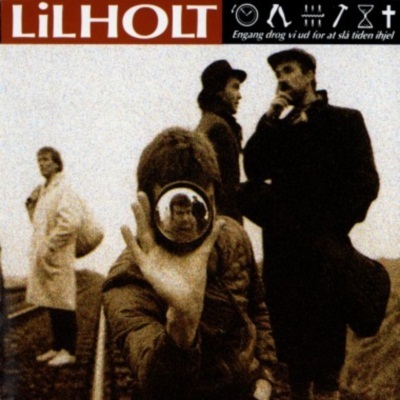
 View Artist