Song Meaning
The lyrics paint a picture of someone meticulously rearranging their space, a physical manifestation of a desire for control or change. This act of "rearranging every room, every floor, every inch" sets a tone of deliberate, almost obsessive, self-curation. The narrator then contrasts this with a persona of effortless confidence, "Się puszę jak paw, Chodzę jak car," suggesting a performance of power and artistry that feels almost detached from genuine effort or mainstream concerns. They position themselves as a creator of "brokatowy rap," distinct from the "mainstreamowy" and its perceived shallowness.
The central tension arises from the narrator's critique of the current rap landscape and its impact. They dismiss the idea of "new rap is good" as a "joke," linking it to a "what happened to the media" and "what happened to us" sentiment. The lyrics express a weariness with superficial online engagement, warning against giving "moc" to comments and noting that "żółto-niebieską wstęgą" (a yellow-blue ribbon, possibly referencing support or a cause) won't change anything. This suggests a disillusionment with performative activism and the isolating nature of online platforms, which are described as "kanban design, taka sama klatka jak Insta" – a cage that is ultimately indistinguishable from others.
A striking element is the narrator's self-awareness regarding their own artistic output and its reception. They admit to not having a "głowy do tego" (head for that, referring to mainstream metrics) but rather for "zdań i do słownych anegdot" (sentences and verbal anecdotes). This highlights a deliberate choice to focus on lyrical craft over commercial appeal. The repeated idea of "każda taka sama jak inna" (each one the same as another) applies to both online personas and the repetitive nature of conflicts, whether over money or trivial matters, suggesting a fundamental hollowness in much of what is presented. The narrator's assertion that "każda i tak jest z takich samych słów pod koniec" (each one is ultimately from the same words in the end) underscores a critique of inauthenticity and a search for deeper meaning.
Ultimately, the effectiveness of these lyrics lies in their sharp, almost cynical, observations about authenticity and artistic integrity in the digital age. The narrator's stance is one of proud detachment from the mainstream, emphasizing a commitment to their own craft and a desire for genuine connection or impact. The concluding sentiment, "Jesteśmy piękni, a możemy być piękniejsi, Jesteśmy nieźli, a możemy być najlepsi," coupled with the outro "Everything's been changed, Nothing's like before," offers a glimmer of hope. It suggests that by recognizing the current state and refusing to be confined, there's potential for genuine improvement and a new beginning, driven by self-awareness and a refusal to settle for the status quo.
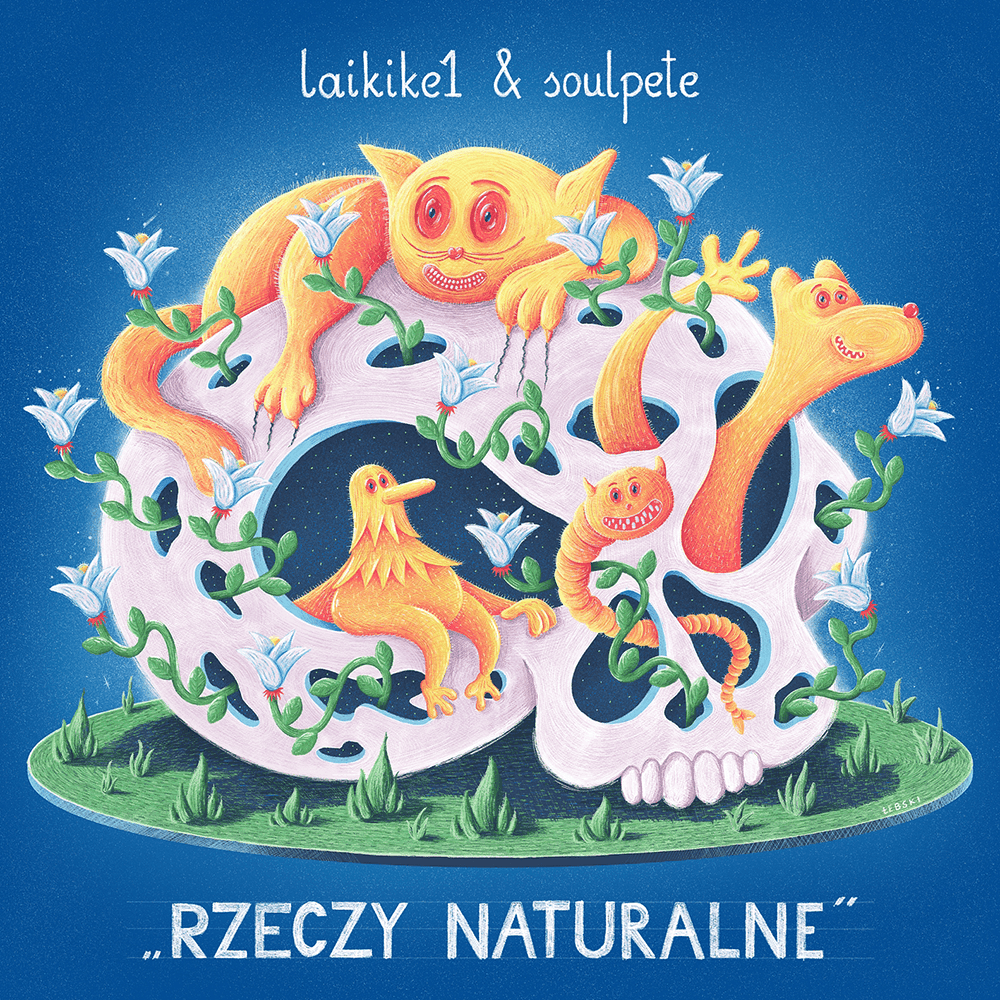
 View Artist