Song Meaning
The lyrics immediately plunge us into a scene of weary resignation: a figure, wrapped in an "viejo abrigo gris," wanders aimlessly. There's a palpable sense of exhaustion and a profound lack of purpose, as the narrator questions the point of going home when "nadie espera." It's a stark snapshot of quiet, everyday despair.
The central emotional tension stems from a relentless contrast between a bleak present and a vibrant, lost past. The repeated question, "¿Dónde están?" (Where are they?), isn't just rhetorical; it's a lament for vanished "buenos amigos," passionate "besos que te hacían volar," and a time when "noches sin pastillas para dormir" were the norm. This isn't mere nostalgia; it's a raw interrogation of what has been irrevocably lost.
The craft here is particularly sharp in its use of cynical imagery and direct address. The repeated curse, "Maldito abril," personifies the month as a cruel, annual reminder of lost happiness. Perhaps the most cutting line is the subversion of a fairy tale: "El príncipe azul fue marrón y no quiso llamar," a brutal dismissal of romantic ideals. This disillusionment culminates in the visceral image of "el espejo escupe toda la verdad," suggesting a harsh, inescapable self-confrontation.
These lyrics hit hard because they articulate a specific, crushing form of disillusionment. The questions, initially about external relationships, turn inward, culminating in that stark mirror image. It's a powerful portrayal of someone grappling with the profound loss of youth, love, and a once-optimistic self, leaving the listener to feel the weight of that unvarnished truth.
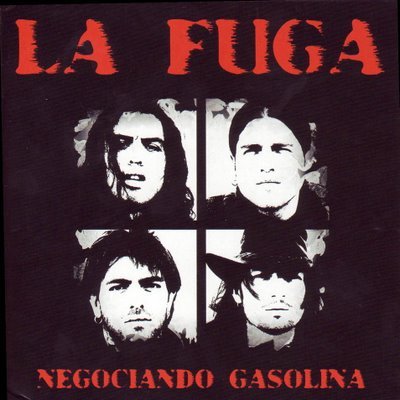
 View Artist