Song Meaning
The lyrics paint a stark picture of betrayal and lingering heartbreak, beginning with a visceral image of deceit: "Mientes mientras besas;" The narrator feels physically wounded by this deception, as if their heart has been spat upon. The absence of goodbyes emphasizes a sudden, unresolved departure, leaving the narrator in a state of shock and pain. This initial sting sets the stage for a profound sense of abandonment that permeates the entire piece.
The narrative unfolds through the seasons, each marking a stage of the narrator's suffering and the departed person's absence. Spring and summer offered no relief, failing to banish the lingering presence of the other person's "fantasmas." Autumn brings a bitter reminder of an unfulfilled obligation – a song owed – which seems to amplify the regret and sorrow. Winter is depicted as a losing battle against the cold, both literal and emotional, with the narrator left isolated, keys still in the lock but no one to open the door for. This cyclical portrayal of time underscores the persistent nature of the narrator's pain.
The most striking aspect is the narrator's complete withdrawal into solitude, personified by the couch that "preguntó otra vez por ti." This image powerfully conveys how deeply ingrained the absent person's presence is, even in the most mundane aspects of the narrator's life. The phrase "Muriendo así" (Dying like this) encapsulates the passive, slow decay of the narrator's spirit, stuck in a state of perpetual mourning. The final lines, mentioning the other person's apparent happiness and routine, create a sharp, painful contrast with the narrator's internal devastation, highlighting the unfairness of their ongoing suffering.
This lyrical construction is effective because it grounds abstract emotional pain in concrete, relatable imagery and a clear temporal structure. The seasonal progression mirrors the narrator's inability to move forward, while the personification of the couch makes the loneliness palpable. The contrast between the narrator's internal "dying" and the other person's external "happiness" is a classic, devastating emotional beat that resonates deeply, making the narrator's plight feel intensely personal and raw.
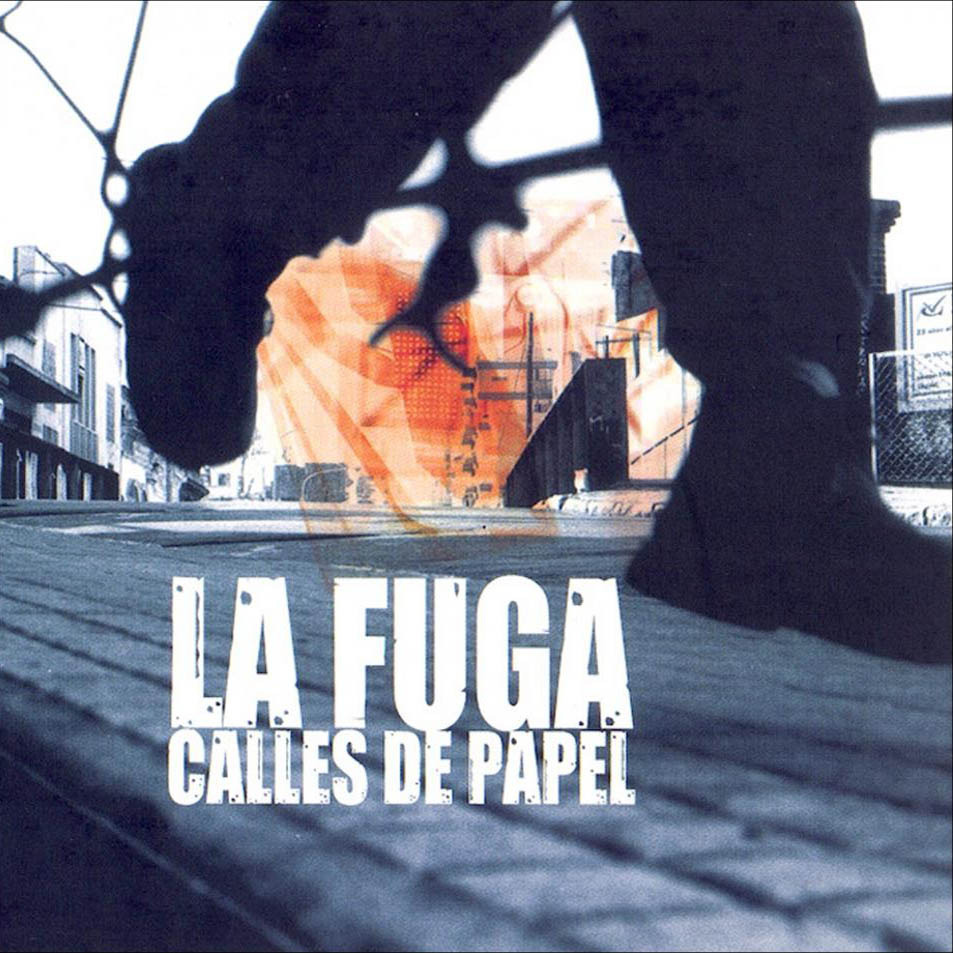
 View Artist