Song Meaning
The lyrics paint a picture of bleak January weather mirroring a profound sense of loss and loneliness. The narrator is left on the sofa, a stark image of inertia and despair, immediately after a departure. There's a quiet resignation, a plea not for a return, but just a simple postcard, a tangible link to a person now gone. This sets a tone of melancholic acceptance tinged with the lingering ache of separation.
The central tension arises from a cycle of failed relationships and personal struggles. The narrator acknowledges a history of "stories that always end badly," suggesting a pattern of disappointment. There's an empathy for the other person's own difficulties, "in the game of winning, you've always had to lose," but also a painful self-awareness of his own limitations: "I can offer you little." This mutual weariness culminates in a desperate plea: "Now hug me."
The discovery of old letters, "the old letters I wrote you," becomes a pivotal moment. These letters, once lost and now found, speak volumes about the past, focusing intensely on "you, you." This rediscovery seems to amplify the present pain, bringing the memory of what was lost into sharp relief. It's a poignant reminder of a connection that now only exists in memory and forgotten correspondence.
Ultimately, the effectiveness of these lyrics lies in their raw, unvarnished depiction of heartbreak and helplessness. The narrator's struggle to move on, to "get out of you," is palpable, underscored by the simple, devastating statement, "Nothing has made me smile." The contrast between the external bleakness of "Maldito enero" and the internal void creates a powerful emotional resonance, capturing the suffocating grip of loneliness after a significant loss.
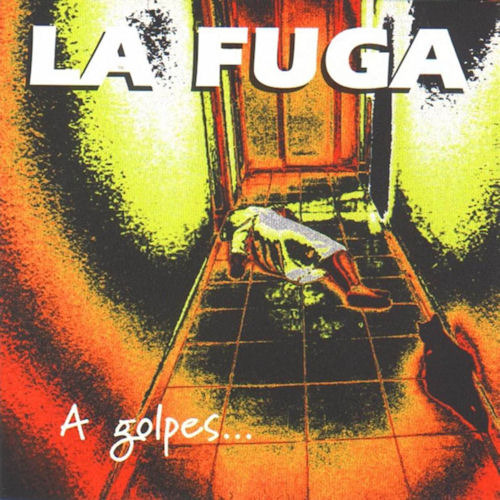
 View Artist