Song Meaning
The lyrics paint a stark picture of being haunted by past regrets, described as "sombras del pasado" (shadows of the past) that shroud "la inocencia" (innocence) in a thick fog. This internal struggle is so consuming that it eclipses current reality, leaving the narrator feeling like a "pez de plomo" (lead fish) struggling against being fossilized in defeat. The dominant emotional tone is one of deep melancholy and a desperate yearning for escape from a self-imposed, or perhaps externally imposed, state of disillusionment.
The central tension arises from the conflict between the weight of these past "sombras" and a fierce desire to break free from their grip. The narrator recognizes the "reino de la sinrazón" (kingdom of unreason) where giving too much resulted in receiving too little, a cycle they desperately want to leave behind. This isn't just about remembering; it's about the active struggle to prevent these memories from dictating the present and future, to avoid being "vencido en turbias aguas" (defeated in murky waters).
A striking image is the contrast between the "turbias aguas" (murky waters) of the past and the desired destination: the "blancas camelias" (white camellias) and the "cauce de la vida" (course of life). The narrator seeks a path toward "tranquilidad" (tranquility), moving away from being a "barco sin rumbo" (ship without a rudder). The shift in perspective from being a passive victim of the past to an active seeker of peace is palpable, especially in the later verses where the narrator declares they will "lucharé por no acabar vencido" (fight not to end up defeated) and "buscaré sin demorar la tranquilidad" (seek tranquility without delay).
Ultimately, the effectiveness of these lyrics lies in their raw portrayal of internal conflict and the determined, albeit late, pursuit of peace. The imagery of drowning in the past versus finding a clear path to tranquility creates a powerful emotional arc. The narrator's resolve to find this peace, even if it means searching in "el rincón de los sueños" (the corner of dreams) or arriving "aunque tarde y mal" (even if late and poorly), underscores a profound human need to overcome past burdens and find solace.
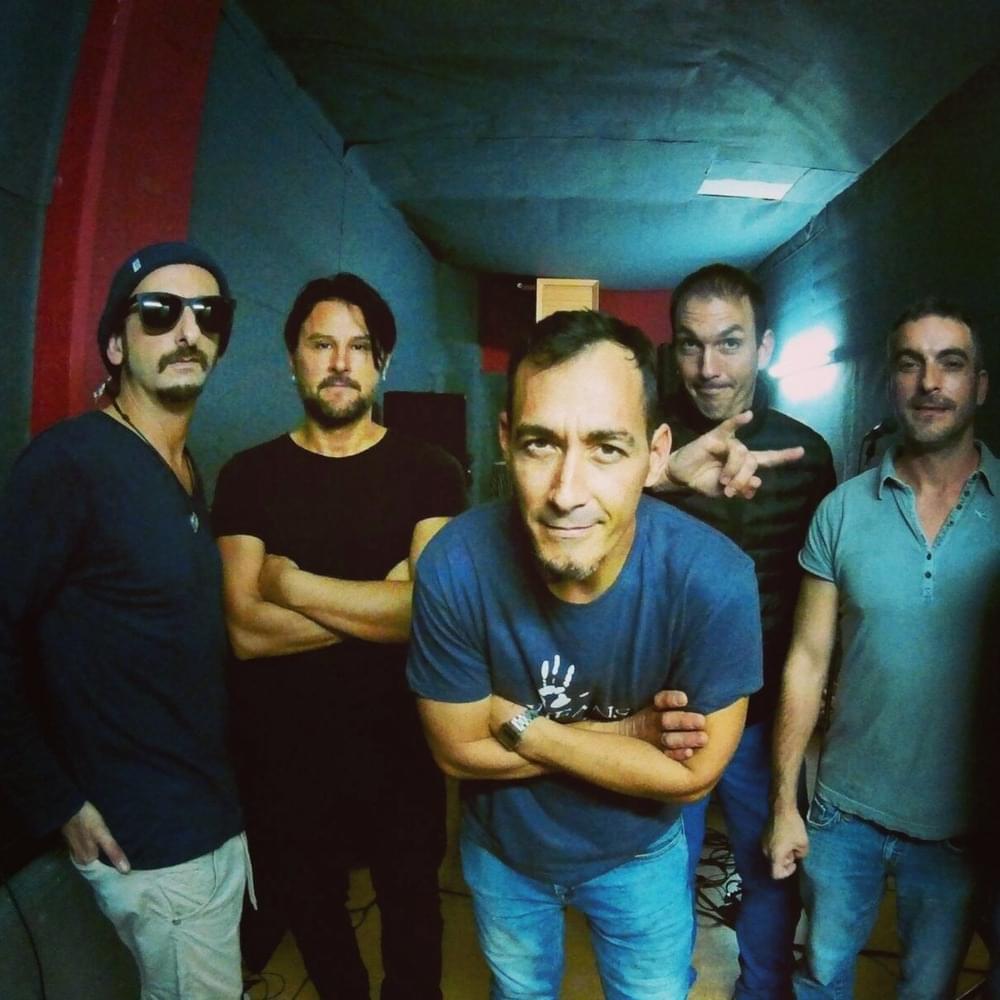
 View Artist