Song Meaning
The lyrics paint a stark picture of someone deeply hurt and isolated, feeling cornered and unwilling to let anyone in. The opening lines, "Decepcionada como un viejo corazon" and "Acorralada en un oscuro callejon," immediately establish a tone of profound disappointment and entrapment. The speaker observes this retreat, noting the other person's declaration of not returning and the difficulty of enduring the pain inflicted by someone else. This sets up a plea for connection amidst the withdrawal.
The core of the song lies in the narrator's persistent offer to accompany the other person to their place of solitude – "Al lugar donde te escondes cuando a nadie quieres ver." This isn't a demand for entry but an invitation to share the space of pain, suggesting a desire to understand and perhaps alleviate the suffering. The narrator proposes a method of processing this pain: "Escribiendo cuatro frases que nos hagan compreder / Que todo esta bien," a simple, almost childlike attempt to create order and reassurance out of chaos.
The imagery of being "encerrado en tus palabras de dolor" and acting "como un animal que an buelto a apalear" powerfully conveys the self-imposed prison of grief and the instinctual flinching away from help. This animalistic reaction, born from repeated abuse, makes the narrator's gentle persistence even more striking. They are offering a lifeline, not by forcing a change, but by simply being willing to sit with the pain, to "confundirme en un papel" – to get lost in the act of trying to make sense of it all.
Ultimately, the effectiveness of these lyrics stems from their raw portrayal of empathetic persistence against deep-seated pain. The repeated chorus acts as a mantra, a gentle but unwavering offer of support. The narrator's desire isn't to erase the pain, but to bridge the gap created by it, to find a shared space where understanding, however fragile, can begin to mend what has been broken.
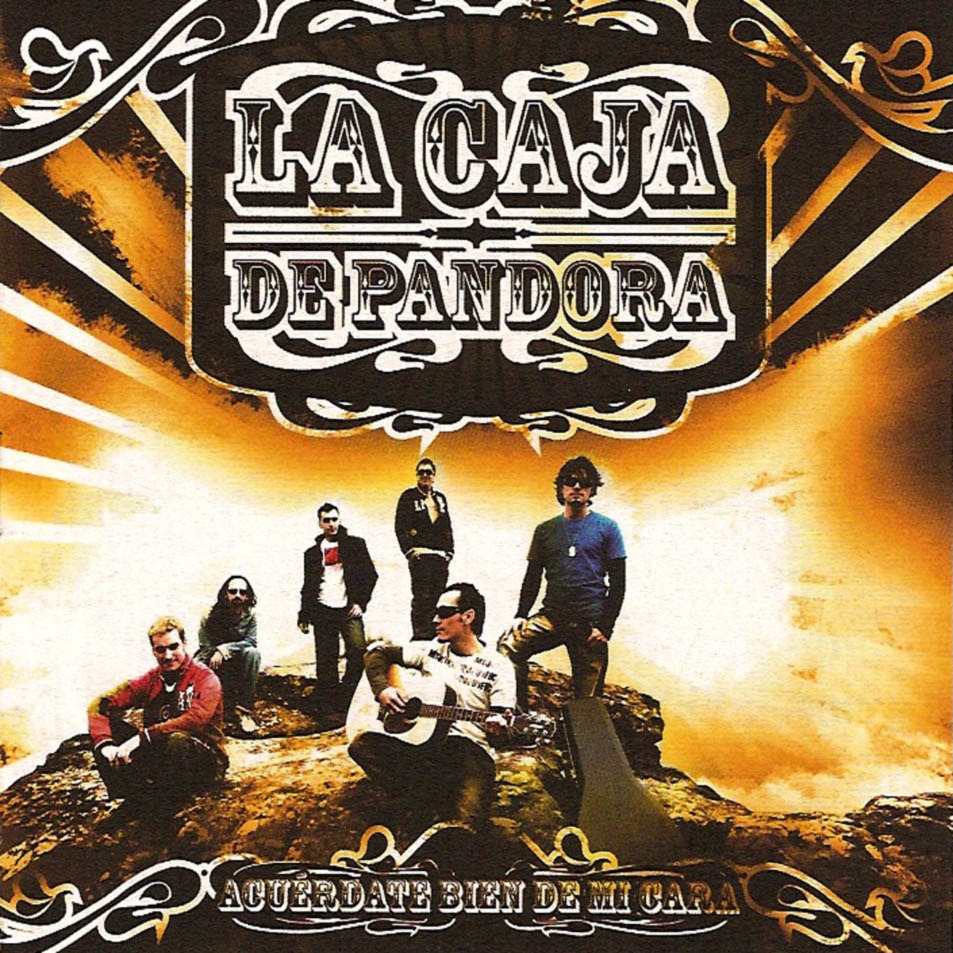
 View Artist