Song Meaning
The narrator is caught in a painful moment of self-awareness, urging the person he calls "Dawn" to leave him. He paints a picture of her as radiant, "pretty as a midsummer's morn," but immediately contrasts this with his own perceived inadequacy. The core of his plea is his belief that he is "no good for you," a sentiment he repeats with desperate finality. He sees himself as a "poor boy" whose future prospects are bleak, a stark counterpoint to the "places you'll see" and the "big man" she could have with someone else. This internal conflict drives the entire narrative, creating a palpable sense of heartbreak and resignation.
The lyrics highlight a profound tension between the narrator's desire and his perceived reality. He explicitly states, "Although I know / I want you to stay," directly contradicting his repeated "Dawn go away." This internal battle is further emphasized by his concern for her future and her family's opinion, suggesting a societal or economic barrier he feels he cannot overcome. He believes she is "throwing away" a better life by staying with him, a sacrifice he is unwilling to let her make, even if it means his own suffering.
The most striking aspect of the writing is the personification of "Dawn" and the narrator's desperate, almost pleading, commands. The name itself evokes a new beginning, a bright future, yet he uses it to represent something he must push away. The repetition of "Think" serves as a powerful rhetorical device, forcing both Dawn and the listener to confront the harsh realities he presents. His repeated assertion that he is "no good for you" isn't just a statement; it's a shield he's using, perhaps to protect her, perhaps to protect himself from the pain of her potential rejection or the inevitable hardship he foresees.
Ultimately, the effectiveness of these lyrics lies in their raw, unvarnished portrayal of self-sacrifice born from perceived limitations. The narrator's internal struggle, his desperate attempts to convince "Dawn" to leave for her own good, and his acknowledgment of his own "poor boy" status create a deeply poignant and relatable scenario. It’s the painful realization that love might not be enough when faced with the perceived insurmountable obstacles of circumstance and future prospects, making his "go away" a heartbreaking act of love.
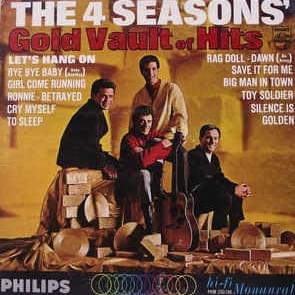
 View Artist