Song Meaning
The lyrics paint a picture of someone grappling with fading dreams and a sense of aimless wandering. The narrator feels trapped in a cycle, "쳇바퀴 돌 듯" (like a hamster wheel), where even their own truths are hidden behind a facade of sighs. There's a palpable weariness, a feeling of being misunderstood or unheard, as if their inner reality is dismissed with a casual glance. This sets a melancholic and introspective tone right from the start.
The central tension lies in the narrator's struggle with unfulfilled potential and the acceptance of what cannot be changed. They question the point of adding more to a situation that's already past its prime, especially when others don't truly listen or understand. The recurring idea of "못 그린 내 빈 곳" (my unpainted empty space) highlights a sense of incompleteness and the daunting question of how to fill it. This internal conflict between regret and the search for self-acceptance is the emotional core.
A striking element is the narrator's decision to shift focus inward, choosing to "차라리 내 마음에 비친 내 모습 그려가리" (rather, I will draw my own image reflected in my heart). This is a powerful pivot from external validation or the pursuit of lost dreams to self-creation and internal representation. It suggests a move towards embracing their own subjective reality, even if it's imperfect or incomplete, as a more viable path than chasing elusive external goals.
This lyrical approach is effective because it grounds abstract feelings of loss and incompleteness in concrete, relatable imagery. The contrast between the outward struggle and the inward turn creates a compelling narrative arc. The repeated refrain about drawing their own image offers a quiet, determined resolution, suggesting that true fulfillment might come from within, by actively constructing one's own self-perception rather than relying on external circumstances or others' interpretations.
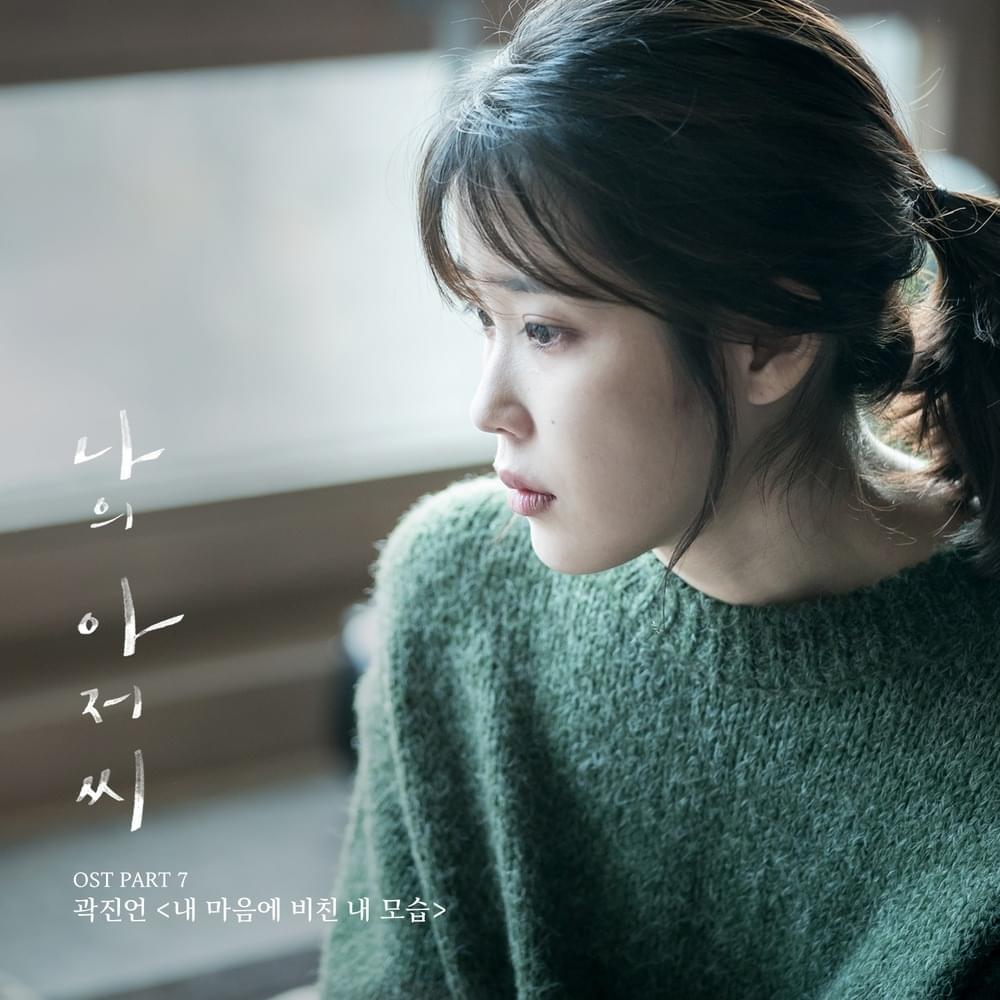
 View Artist