Song Meaning
The lyrics paint a picture of someone grappling with fading dreams and a sense of endless wandering, feeling stuck in a repetitive cycle. There's a palpable weariness, a feeling of trying to maintain a facade while harboring a hidden, perhaps painful, truth that's only hinted at in a sigh. This internal struggle is presented as a quiet, solitary experience.
The central tension arises from the disconnect between the narrator's inner reality and how they perceive others might view them. The question of "what more to add" at this late stage suggests a resignation, a feeling that external validation or further explanation is futile because others aren't truly listening or are quick to misinterpret. This leads to a profound sense of isolation and an inability to fill the "unpainted empty spaces" within.
A striking aspect is the narrator's decision to shift focus from external validation to internal creation. Instead of trying to mend or explain the past, the resolve is to "draw my own image reflected in my heart." This is a powerful pivot towards self-definition, acknowledging the futility of external perception and choosing to build an identity from within, even if it's an imperfect or incomplete self-portrait.
This lyrical approach resonates because it captures a universal feeling of being misunderstood and the quiet strength found in self-acceptance. The repeated refrain about drawing one's own image offers a hopeful, albeit melancholic, resolution. It’s about finding solace and agency not in changing the world's perception, but in cultivating one's own inner landscape, even when that landscape feels vast and empty.
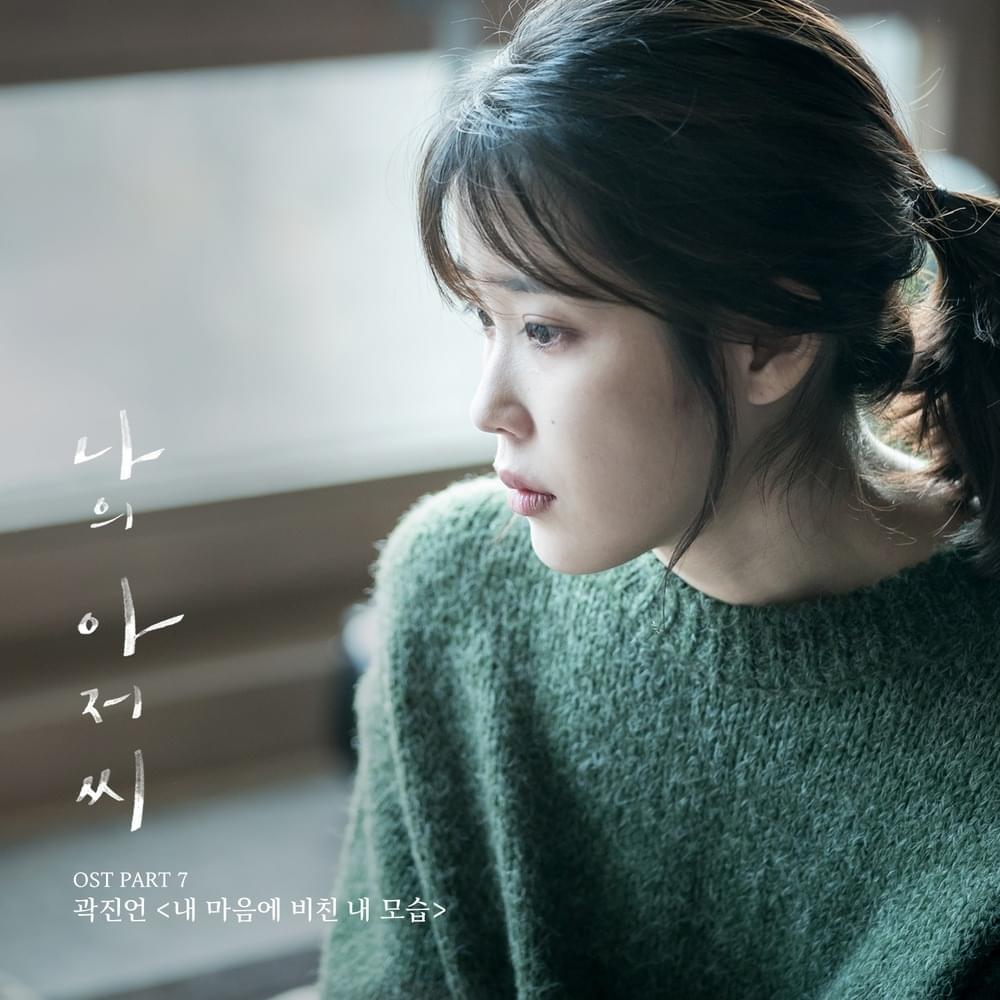
 View Artist