Song Meaning
Kurt Vile's "Shame Chamber" isn't a place; it's a state of mind. The song meaning orbits around self-deprecation and the peculiar comfort found in wallowing. It’s a portrait of inertia, where the protagonist is acutely aware of external expectations to "give up," yet simultaneously trapped in a cycle of self-loathing and reluctant acceptance. The opening lines drip with sardonic resignation, questioning the point of self-reflection when the reflection itself is deemed unworthy. This isn't mere sadness; it's a darkly humorous resignation to inadequacy. Vile captures the uniquely human experience of knowing you *should* feel bad and, in a twisted way, deriving some strange satisfaction from it.
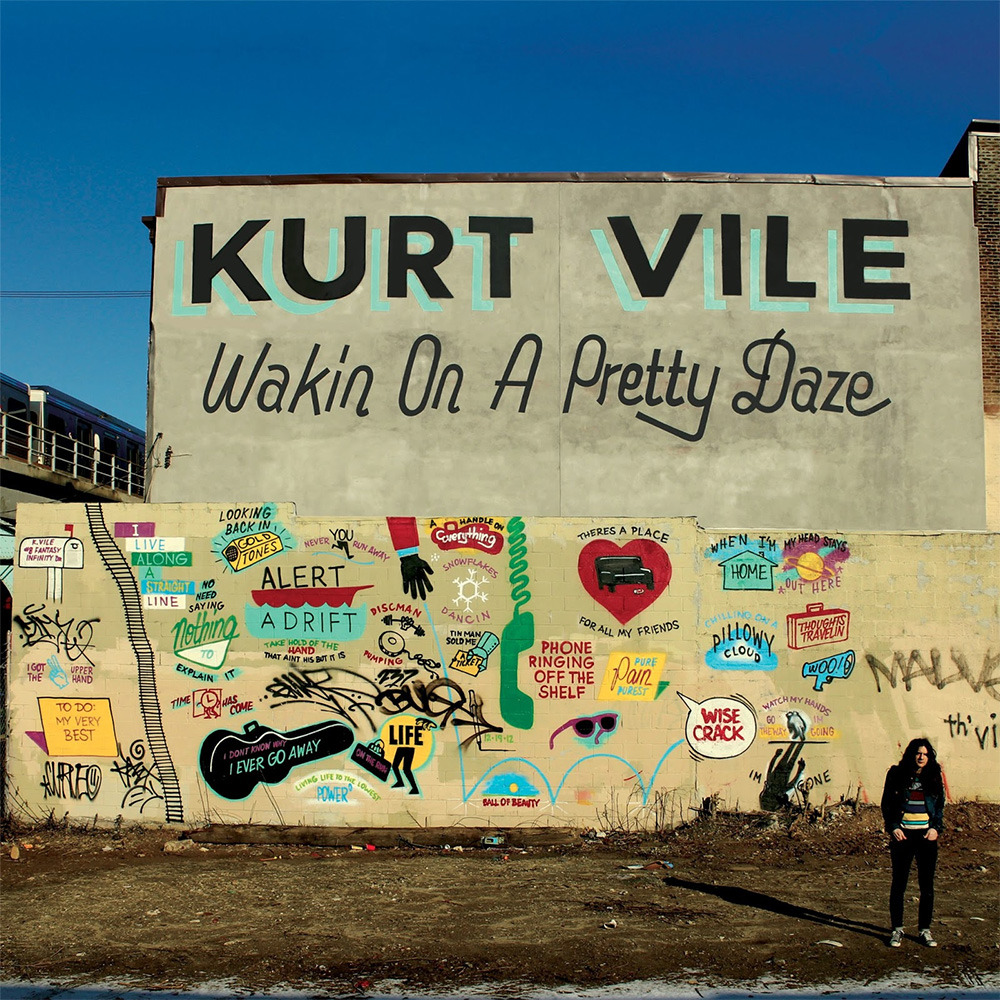
The chorus, repeating the phrase "living life to the lowest power," becomes both a confession and a mantra. It's a recognition of operating at a diminished capacity, perhaps due to creative block, personal struggles, or simply the weight of existence. But it's also tinged with a certain defiance. There's a power, albeit a "low" one, in owning your failures and imperfections. The "shame chamber" transforms into a space of perverse authenticity, where the pretense of striving for perfection is abandoned in favor of raw, unvarnished self-awareness. The repetition emphasizes the cyclical nature of this state, suggesting an ongoing battle with self-doubt.
The "Shame on you" bridge introduces an element of shared culpability. It's not just individual shame; it's a collective burden. The line, "Oh, baby when you cry, it brings a tear to my eye," hints at empathy and connection, suggesting that even in the depths of personal shame, there's still the capacity for compassion. "Shame on us" universalizes the experience, implying that we all, to some degree, inhabit our own "shame chambers." The song is a reminder that feeling bad, in its own strange way, can be a deeply human and even unifying experience. Vile isn’t offering a solution, but rather a darkly comic acknowledgment of the messy, imperfect reality of being.
 View Artist