Song Meaning
Kurt Vile's "I Know I Got Religion" isn't about finding God in a traditional sense; it's about the ecstatic, almost spiritual experience of artistic creation and the simultaneous self-destruction that often fuels it. The repeated line, "I know I got religion/It took me away," functions as both a confession and a boast. This 'religion' is a transformative force, pulling him from a previous state of being, perhaps one of stagnation or creative block. Relocating his "caddy to the golden highway" suggests a reckless abandonment of responsibility in favor of this new, intoxicating path. The "golden highway" itself is a classic symbol of the artist's journey, fraught with both promise and peril. The "poppy and pills/Cranberry orange vodka spills" are not mere hedonistic details but rather indicators of the sacrifices and self-medication that often accompany intense creative pursuits.
The lyrics analysis reveals Vile's journey into the depths of his own mind, where the lines between reality and hallucination blur. References to "friends of the mind in a jar of the psychedelical kind" and seeing everything as if "Jesus drafted me" indicate a state of heightened perception, possibly induced by substances or simply the intensity of his creative vision. He's shedding his old self, symbolized by dropping "a penny off the William Penn's head," a gesture of discarding old habits and societal expectations. This shedding extends to relationships, as he cuts off "friends that I had played too cool," suggesting a desire to surround himself with those who understand and support his artistic fervor, even if it means embracing a certain degree of isolation.
Ultimately, the song meaning circles back to the redemptive power of art itself. Vile declares he's “stopped using picks and not a thing between me and my guitar,” emphasizing a raw, unfiltered connection to his instrument and his music. The line, "Everyday when I feel blue I write a strummer for you," suggests that this 'religion' of artistic creation is not just a personal escape but also a way to connect with others and offer solace. Even with the acknowledgement that "we can't get an ahead," the embrace of this artistic calling is portrayed as a victory, a way to find meaning and purpose in a world that often feels meaningless. The song becomes a testament to the transformative and sometimes destructive power of art, a religion in its own right.
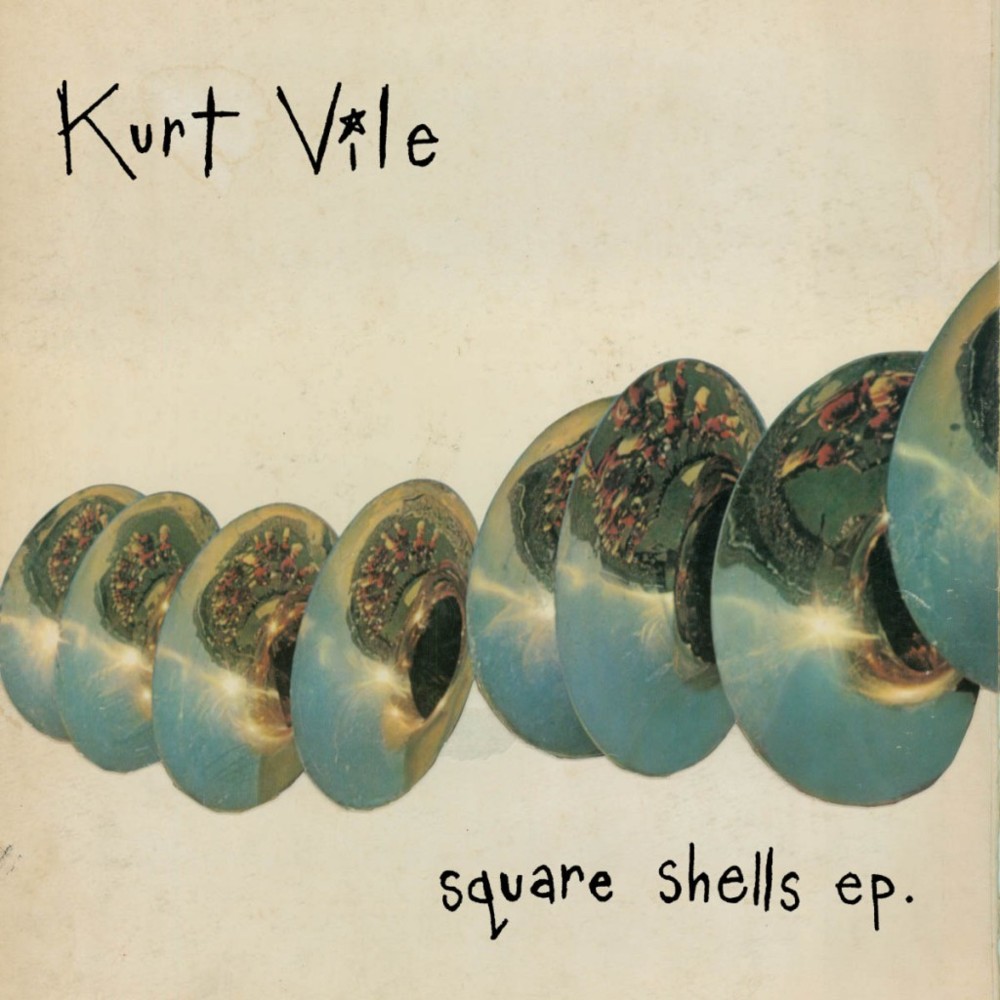
 View Artist