Song Meaning
The lyrics paint a vivid picture of a traveler happily heading home, only to be waylaid by a "pätt" (thug) on the road. The immediate shift from joy to danger is stark, but the narrator finds refuge in a tavern, a place that quickly reveals its own chaotic atmosphere. The air is thick with the smell of alcohol, and the floor is slick from spilled drinks, setting a scene of boisterous, perhaps even desperate, revelry.
The central tension emerges as the tavern's patrons, described as "kõnemehi" (orators/speakers), are seeking someone to address them. They seize upon a "koolipapa" (schoolmaster), dragging him forward to speak of "vanast ajast" (old times) and "lunastajast" (savior). This juxtaposition of a potentially somber, historical, or religious discourse against the backdrop of a drunken, rowdy tavern creates a striking contrast, hinting at a deeper, perhaps ironic, commentary on how such messages are received or delivered in this environment.
The most striking craft element is the sudden, almost surreal intrusion of Christmas imagery. Peeking through a doorway, the narrator sees "Jõuluilu" (Christmas beauty) in the next room, with men, their beards "ormis" (frozen or perhaps disheveled), storming the Christmas tree. This unexpected festive scene, filled with treats like cake and gingerbread, clashes dramatically with the earlier violence and the tavern's grim interior. The final lines, "Talve aal oo välku vähe / Anna kuradile pähe" (In winter there's little lightning / Give the devil a blow to the head), seem to offer a defiant, almost desperate plea for excitement or perhaps a release from the grim reality, even if it means a violent outburst.
This lyrical construction is effective because it juxtaposes the mundane, the dangerous, and the festive in a way that feels both disorienting and strangely resonant. The rapid shifts in scene and tone, from the threat of death to drunken oratory and then to a chaotic Christmas celebration, mirror a sense of unpredictable life. The final, almost nonsensical, outburst suggests a yearning for something more, a spark in the bleakness, making the narrator's experience feel raw and unvarnished.
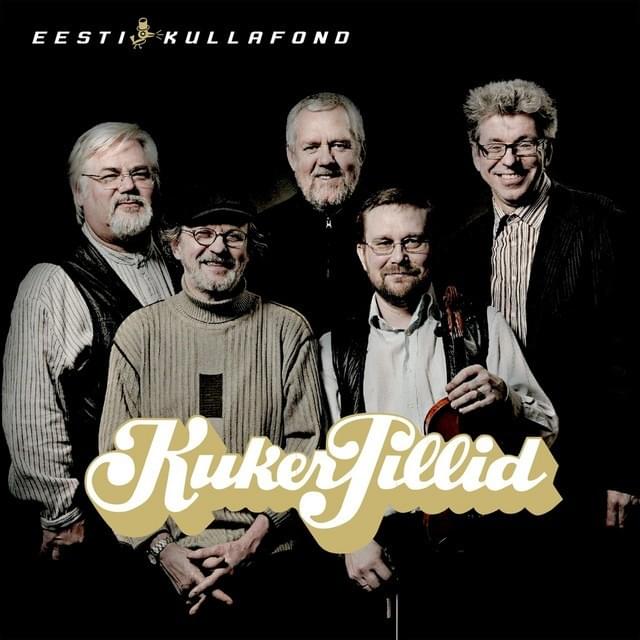
 View Artist