Song Meaning
This song presents a playful, almost instructional list of dances, each with a quirky, sometimes cautionary, directive. The initial "Aissa" dance encourages letting "laces show," a seemingly simple invitation to loosen up. Following this, a "tango" is paired with a command to let "knees hang loose," suggesting a relaxed, uninhibited movement. The progression through various dance styles, from "kikapuu" (a type of folk dance) to "vokstrott" (foxtrot) and "samba," builds a sense of escalating, yet still lighthearted, activity.
The underlying tension, if any, lies in the subtle warnings embedded within the dance instructions. While the first few are about letting go, the "kikapuu" comes with a stark "don't break your shinbone." Later, the "samba" warns against "pulling the girl into a corner," hinting at potential social awkwardness or unwanted advances. This contrast between carefree invitation and gentle caution adds a layer of nuanced social observation to the otherwise straightforward list.
The most striking craft element is the consistent, almost sing-song rhythm and rhyme scheme, which lends an air of childlike simplicity and memorability to the instructions. Phrases like "lase aga pitsid paista" and "lase aga põlved longu" create a pleasing, repetitive cadence. The final lines, "Tantsud kõik on kenad / Soontes suisa kevad" (All dances are nice / Spring is truly in the veins), tie the entire sequence together, framing the dances not just as physical activities but as expressions of vibrant, youthful energy and renewal.
Ultimately, the lyrics are effective because they capture a specific, almost nostalgic, feeling of communal gathering and simple joy. The direct, almost imperative tone, combined with the vivid, if brief, imagery of each dance, creates an accessible and engaging narrative. It’s the kind of song that makes you want to move, even if you’re not quite sure of all the steps, evoking a sense of spontaneous celebration and the feeling of life bursting forth.
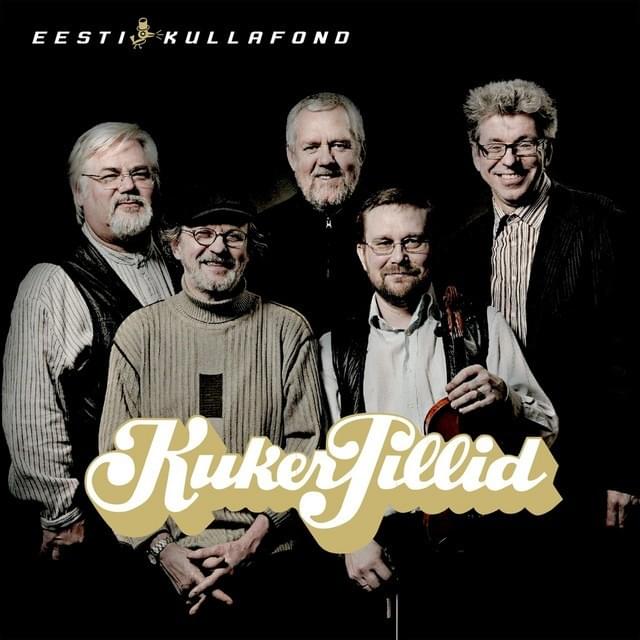
 View Artist