Song Meaning
The lyrics paint a stark picture of internal suffering, where pain is a tangible, almost physical entity. The opening lines, "Comme le sang caille au creux de mes peines / L'enfer est un lit où reposer mes veines," immediately establish a tone of deep, chilling despair. The narrator describes their suffering as something that congeals, turning their very veins into a resting place for hell itself, suggesting a profound and inescapable agony.
The central tension arises from the narrator's self-inflicted creation of their own torment. Phrases like "J'ai castré le vide, construit le labyrinthe" reveal a deliberate act of shaping emptiness into a complex, inescapable maze. This is further emphasized by the imagery of "creusé les trous / Tellement profonds que l'on voyait / La mort dans mon corps." The narrator appears to have actively dug their own grave, creating a space where death is visible within their own being.
The most striking aspect of the craft is the relentless, almost ritualistic repetition, particularly in the chorus: "Bouchez le tunnel." This repeated command, coupled with the stark, declarative statements of selfhood and suffering in the bridge – "Mon corps est mon corps / Mes peines sont mes peines / Mes veines sont mes veines / Ma mort est ma mort" – creates a sense of claustrophobia and resignation. The tunnel itself becomes a metaphor for this self-made prison, a passage that the narrator desperately wants closed, yet seems to have constructed themselves.
Ultimately, the effectiveness of these lyrics lies in their unflinching portrayal of self-destructive introspection. The visceral imagery and the insistent, almost desperate plea to "Bouchez le tunnel" convey a profound sense of being trapped by one's own mind and pain. The writing doesn't offer solace but instead forces the listener to confront the raw, unvarnished reality of internal desolation, making the experience intensely unsettling and memorable.
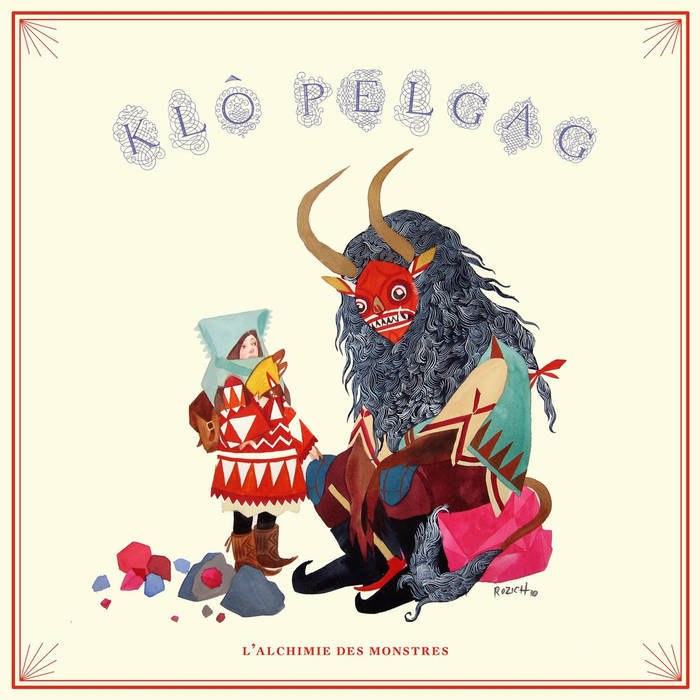
 View Artist