Song Meaning
The lyrics paint a picture of a narrator trapped by a destructive force, personified as the sun. This "sun" isn't a source of warmth but a painful, overwhelming presence, turning even simple acts like staying put into a "sunburn" and a "nightmare." The narrator observes others who dislike the sun, highlighting its extreme nature – too cold in winter, too hot in summer – suggesting a fundamental imbalance that leaves no room for preference or comfort. This sets the stage for a direct comparison that reveals the core of the narrator's pain.
The central tension arises when the narrator directly equates someone to this oppressive sun. This "you" burns people with their gaze, "pulls the meaning from the skin," and writes love letters "full of blood." The visceral reaction, "lies make me vomit," underscores the deep betrayal and disgust felt. The destruction extends to cherished memories, even the "stars" pasted on the ceiling, turning the narrator's personal sanctuary into a place where "day is like night," blurring reality and causing an existential crisis: "Where is my sun?"
The most striking aspect is the narrator's contemplation of the sun's "incontinence." This bizarre, almost surreal image questions where this overwhelming force has gone, asking if it's "incontinent" in some country or an "itinerant" from some body. This suggests a loss of control, a chaotic and uncontainable energy that has become a source of torment. The repetition of "Le soleil" and the direct address "Tu es comme le soleil" bookend the analysis, emphasizing how this destructive, uncontrollable entity has become the defining characteristic of a significant relationship or personal struggle.
This lyrical construction is effective because it grounds abstract emotional pain in vivid, unsettling imagery. The contrast between the expected warmth of the sun and its destructive reality, coupled with the deeply personal betrayal described, creates a powerful sense of suffocation and disorientation. The narrator's inability to find a "preferred season" mirrors their inability to find comfort or stability in the presence of this "sun," making the final question, "Where is my sun?" a poignant cry for relief from an all-consuming, uncontrollable force.
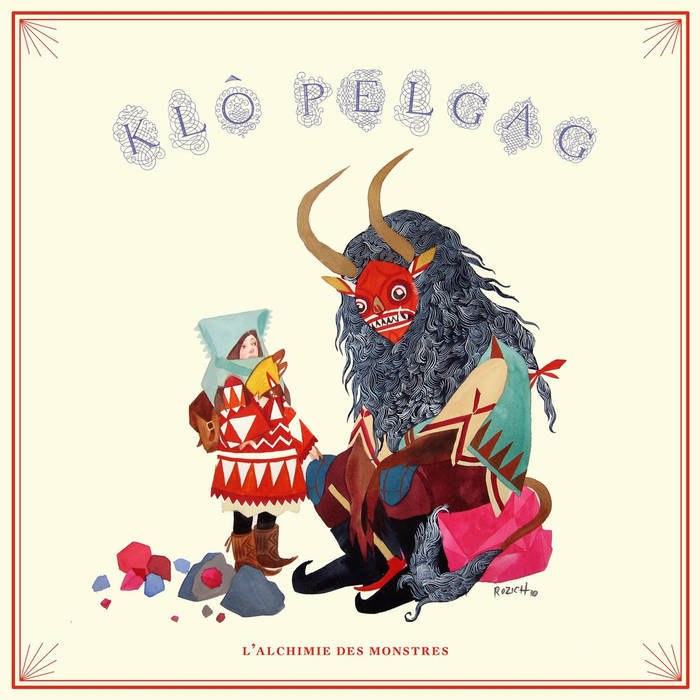
 View Artist