Song Meaning
The lyrics paint a surreal, almost hallucinatory picture of a relationship fractured by distance and an inability to connect. The narrator's desire to see Nicaragua becomes a potent symbol for an unattainable goal, a place or state of being that remains just out of reach. The repeated imagery of airports, planes, and departures underscores a sense of being stuck, of journeys that never truly begin or are fraught with internal conflict, like a plane afraid of taking off. This sets a tone of frustrated longing and a dream deferred.
This sense of being trapped is amplified by the narrator's search for the other person, looking for them in volcanoes that refuse to die out. The line "Je brûle encore au Nicaragua" suggests a lingering, intense emotional state tied to this place or person, a passion that won't extinguish. The contrast between the desire to "spit in the ocean" and the plane's fear of departure highlights a fundamental disconnect between intention and action, a core tension that seems to define their interactions. It’s a push and pull where one person is always trying to move forward, while the other is held back by unseen forces.
The lyrics employ a dreamlike logic where actions become exaggerated and symbolic. The other person "enraged the storms" and makes "clouds cry" at Nicaragua, personifying their impact on the environment as a force of nature. Later, the image of "crushed the plane" and "broke your ankles" before rolling "in your chair" towards the city creates a jarring, almost violent, yet ultimately absurd sequence. This sequence, followed by the narrator's "took my leap" and the other's "took to your heels," suggests a final, desperate chase that ends in a bizarre, fragmented separation, further emphasizing the surreal nature of their connection.
Ultimately, the repeated phrase "Tu croirais pas au Nicaragua" hints at a reality so strange and distorted that it defies belief, even for those experiencing it. The narrator seems to be questioning the very fabric of their shared experience, suggesting that the intensity of their emotions and the bizarre circumstances of their relationship are beyond rational comprehension. The "spies in the forest" and "pendulums hung on your secrets" add layers of paranoia and hidden truths, making the entire situation feel like a conspiracy or a deeply guarded mystery that fuels the narrator's burning obsession.
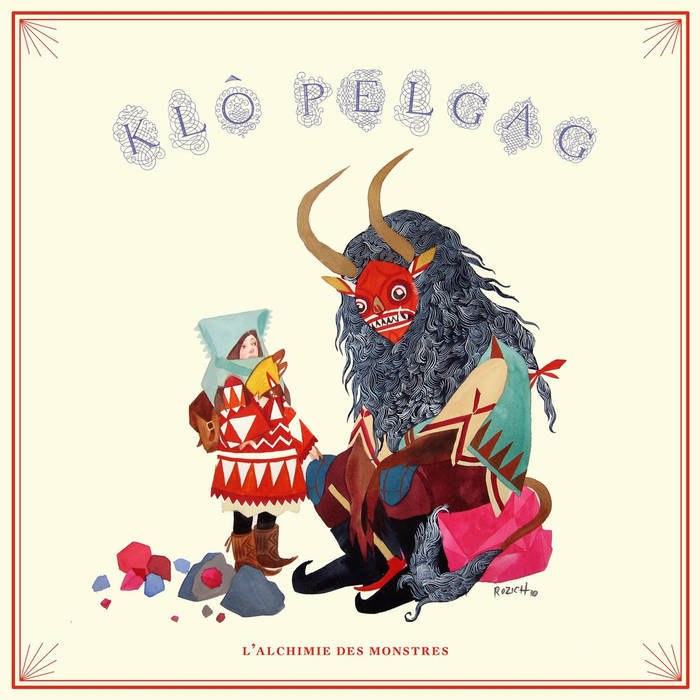
 View Artist