Song Meaning
The lyrics paint a disquieting picture of silence, not as an absence of sound, but as an active, unsettling force. It's personified as a scarecrow, a figure meant to frighten away unwanted elements, here targeting one's thoughts and inner world, their "garden." This initial image sets a tone of unease, suggesting that silence isn't peaceful but rather a source of dread that actively repels creativity or introspection.
The narrator then describes a peculiar upbringing, rooted in a tree that is paradoxically too large to lose a leaf but too small for a coffin. This "scarecrow tree" seems to represent a stunted or confined existence, a life where growth is limited and the potential for true freedom or even finality is out of reach. The comparison to a scarecrow implies this existence is also meant to ward something off, perhaps genuine emotion or self-discovery, by maintaining a static, fearful presence.
A striking contrast emerges in how emotions are taught: crying is equated with laughter, a bizarre inversion that suggests a fundamental misunderstanding or suppression of genuine feeling. The image of laughing through wrinkles, where a river stretches, hints at a forced or performative happiness that masks a deeper, perhaps sorrowful, current. This emotional dissonance is further amplified by silence being described as a "motor noise" that warms ideas only to burn them before they can fully form, a destructive creative process.
The lyrics suggest a complex relationship with memory and time, where silence cherishes memories that intrude upon the present. The narrator expresses a desire to understand someone's past through their hands, the very source of their "favorite feeling," but silence itself is too swift, preventing this deeper connection. This hurried, intrusive silence, like the scarecrow it is, seems to guard against vulnerability and genuine emotional exchange, leaving the narrator with an unfulfilled yearning.
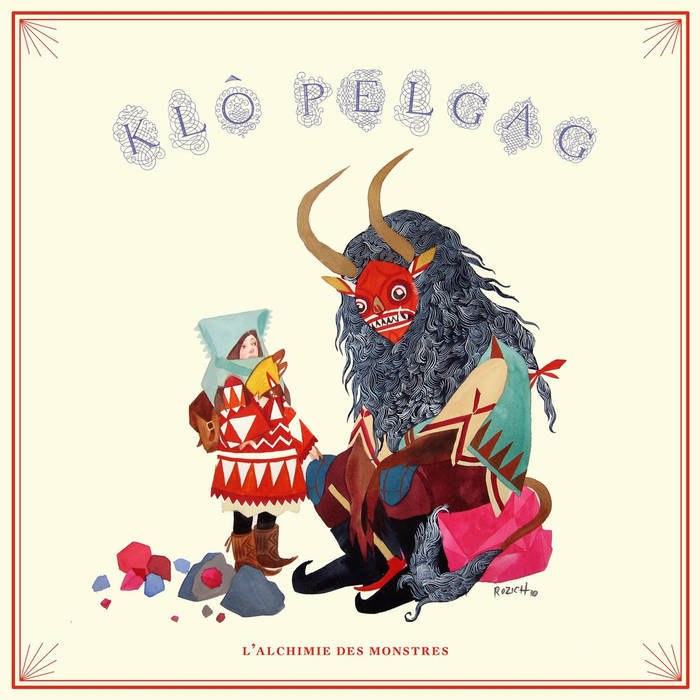
 View Artist