Song Meaning
The lyrics paint a stark, almost brutal, picture of performance and self-perception. The opening lines immediately establish a precarious stage: "Tes pieds sur les miroirs" (Your feet on the mirrors) and "Des confettis de lames" (Confetti of blades) suggest a dazzling but dangerous surface. This isn't just a dance; it's a perilous act where visibility comes at the cost of potential injury, revealing "Le plan de la danse" (The plan of the dance).
The central tension arises from the act of dancing itself, juxtaposed with decay and destruction. "Danser dans le noir" (Dancing in the dark) and "Le sang dans les planches" (Blood on the boards) create a visceral image of a performance stained by pain. The sound of the stage "craquer" (cracking) like "les os de ton corps" (the bones of your body) links the physical space to the performer's own fragility, blurring the line between the art and the artist's suffering.
The lyrics employ striking imagery to explore the performer's internal landscape. The "carte de ton monde" (map of your world) is "Tatouée de ton encre" (Tattooed with your ink), implying a deeply personal and permanent self-definition that paradoxically leads to being "échouer dans la danse" (stranded in the dance). Later, "Tes pieds sur les miroirs" reappears, but this time with "Le mouvement des ombres" (The movement of shadows), suggesting a descent into introspection or perhaps a loss of clear self-awareness, leading to "transcendance."
Ultimately, the repeated questions, "Danseras-tu sur ma tombe ? / Tomberas-tu dans l'oubli ?" (Will you dance on my grave? / Will you fall into oblivion?) introduce a haunting existential layer. The performance, however dazzling or painful, is framed against the ultimate oblivion. The act of dancing, whether on mirrors or in the dark, becomes a desperate attempt to leave a mark, to transcend the inevitable fate of being forgotten, even as the body and the stage itself seem to disintegrate under the strain.
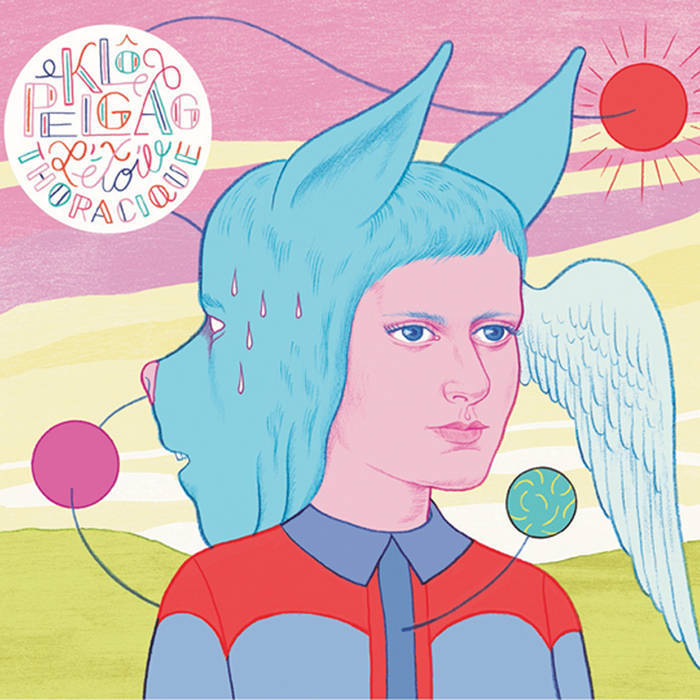
 View Artist