Song Meaning
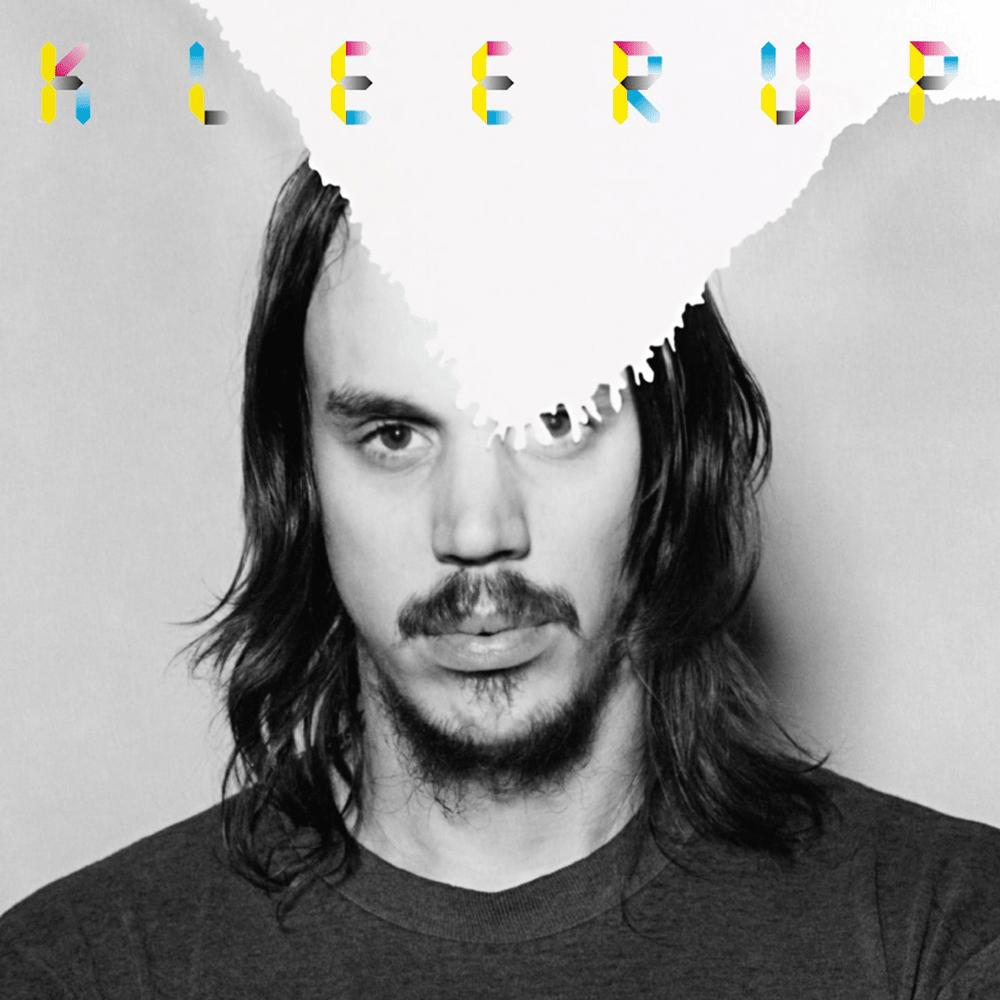
Kleerup's discography, as presented, reads like a sonic mood board, a study in melancholic collaboration. The tracklist presented, spanning 2008 and 2014, suggests an artist deeply invested in exploring the nuances of longing and emotional vulnerability. Titles like "Until We Bleed," "Longing For Lullabies," and "I Just Want To Make That Sad Boy Smile" paint a picture of Kleerup as a curator of poignant sonic landscapes, each song seemingly designed to tap into a specific shade of human experience. The presence of collaborations with artists like Robyn and Lykke Li further solidifies this image, positioning Kleerup as a connector, a musical empath drawn to kindred spirits who share a similar sensibility. The title "Love It", in contrast to the other song titles, could represent the thesis to be found among the other song titles. That Love is something worth fighting for and finding among the sadness.
The juxtaposition of ethereal soundscapes with raw, confessional lyrics seems to be a recurring theme. Consider the titles "With Every Heartbeat" alongside "Thank You For Nothing" – a pairing that hints at the push and pull of relationships, the fragile balance between devotion and resentment. This duality, this willingness to embrace both the light and the dark, is what gives Kleerup's music its staying power. It's not just about wallowing in sadness; it's about acknowledging the complexity of human emotion, the messy, contradictory feelings that make us who we are. The song titles also suggest a preoccupation with the passage of time and the weight of history. Titles such as “History” and “As If We Never Won” evoke a sense of looking back, of grappling with the consequences of past actions and decisions.
Ultimately, Kleerup's work, based solely on this list of tracks, appears to be an ongoing exploration of the human condition, a quest to understand the intricate dance between love, loss, hope, and despair. The titles suggest that Kleerup isn't afraid to delve into the darker corners of the human psyche, but he does so with a sense of empathy and understanding. He seems to be inviting listeners to join him on this journey, to confront their own vulnerabilities and to find solace in the shared experience of being human. He’s not just making music; he’s creating a space for collective catharsis, a place where sadness can be acknowledged, processed, and perhaps even, transformed.
 View Artist