Song Meaning
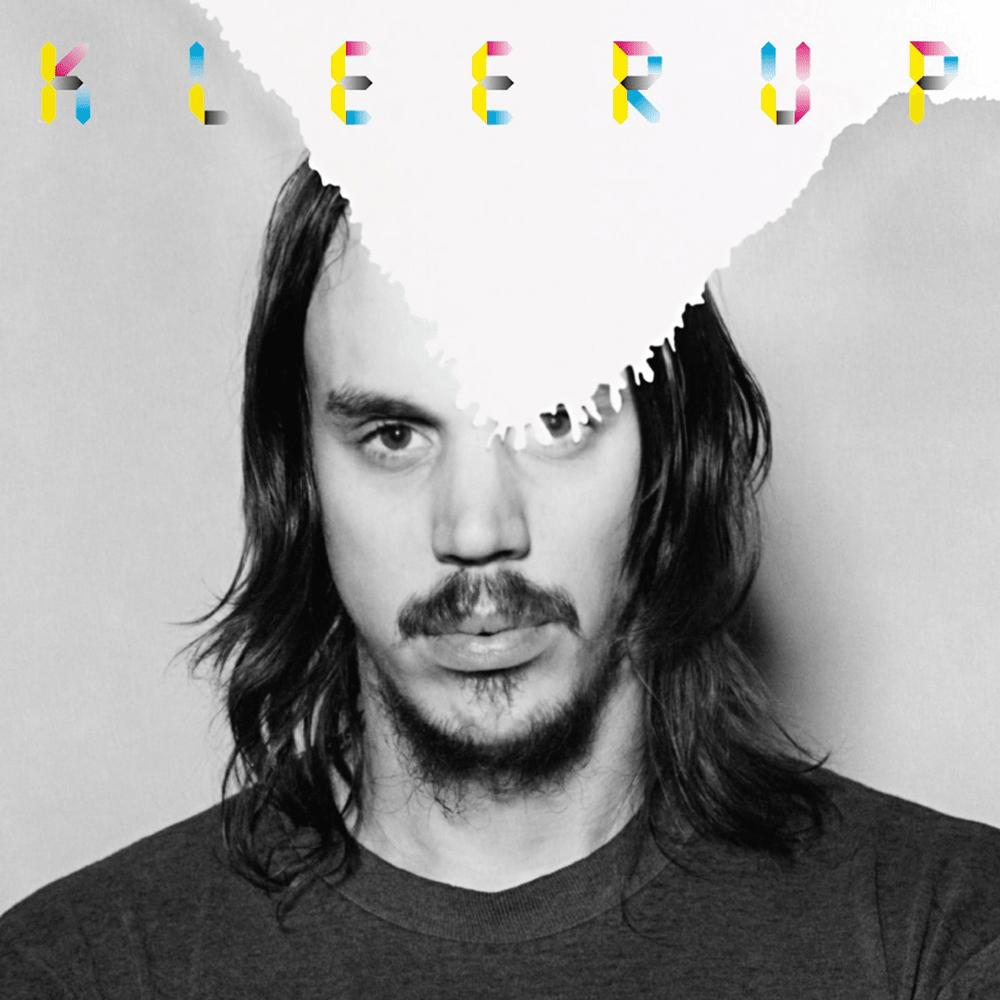
Kleerup's "Until We Bleed" isn't just another love song; it's a stark, unflinching portrait of co-dependent desire teetering on the edge of self-destruction. The opening lines, “I’m naked, I’m numb / I’m stupid, I’m staying,” immediately establish a dynamic of vulnerability and addiction. This isn't about the butterflies of new romance; it's a confession from someone already ensnared, aware of their own compromised position, yet unable to break free. The invocation of Cupid wielding a gun rather than an arrow brilliantly subverts the traditional symbol of love, replacing it with a weapon that inflicts pain and potential ruin. This sets the stage for a relationship defined by intensity and risk, where the highs are intoxicating and the lows threaten to consume everything.
The pre-chorus and chorus are where the song's central metaphor of toxic love crystallizes. Phrases like “Lights black, heads bang / You’re my drug, we live it” evoke a hedonistic escape, a blurring of boundaries where the other person becomes both the source of pleasure and the agent of destruction. The repeated line, “We drink the fatal drop / Then love until we bleed / Then fall apart in parts,” is the crux of the song's meaning. It suggests a deliberate choice to indulge in something known to be harmful, pushing the relationship to its breaking point. This isn't a passive descent into dysfunction; it's an active embrace of the chaos, a willingness to sacrifice oneself on the altar of intense, albeit destructive, connection.
Further, the second verse adds layers of regret and resignation. "You wasted your times / On my heart, you've burned," implies a history of damage, a recognition that the relationship has left scars. The lines “Stay gone, stay clean / I need you to need me” encapsulates the painful paradox of wanting to escape a destructive pattern while simultaneously craving the validation and intensity it provides. This highlights the internal conflict at the heart of co-dependency – the push and pull between self-preservation and the yearning for connection, even if that connection is ultimately harmful. Kleerup’s “Until We Bleed,” therefore, serves as a cautionary tale about the intoxicating allure of toxic love and the devastating consequences of choosing intensity over well-being.