Song Meaning
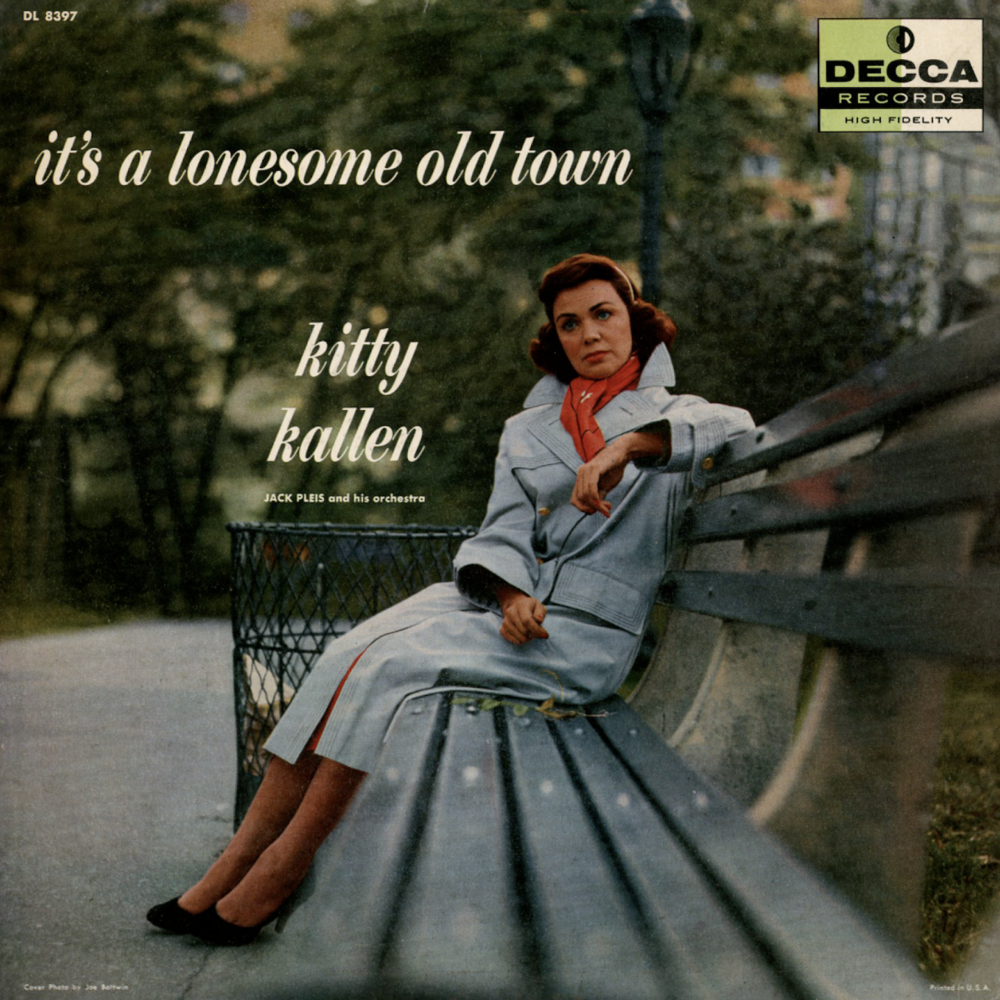
Kitty Kallen's rendition of "It's a Lonesome Old Town" isn't just a sentimental ballad; it's a stark portrait of codependency draped in the elegance of mid-century pop. The simplicity of the lyrics—"It's a lonesome old town when you're not around / I'm lonely as I can be"—belies the profound emptiness that one person can inflict on another's world. The 'town' isn't just a geographical location; it's the singer's entire existence, rendered desolate by the absence of a single individual. The song's structure, with its repetitive verses and orchestral interlude, reinforces this feeling of cyclical despair, a kind of emotional Groundhog Day where the joy has been permanently extracted.
The repeated admission, "I never knew how much I'd miss you / But now I can plainly see," hints at a previous underestimation of the relationship's power dynamic. Perhaps there was a belief in self-sufficiency, an illusion of independence shattered by the reality of separation. This realization isn't empowering; it's a surrender, an acknowledgment of vulnerability that borders on self-erasure. The singer isn't merely missing companionship; she's missing a vital piece of herself, a piece she unknowingly outsourced to another person.
The plea, "How I wish you'd come back to me," isn't simply a longing for reunion; it's a desperate call for wholeness. It raises uncomfortable questions about identity and self-worth. What happens when our sense of self becomes so intertwined with another that their departure leaves us feeling not just sad, but fundamentally incomplete? "It's a Lonesome Old Town" then becomes a cautionary tale, a reminder of the delicate balance between love and dependence, and the potential for even the most beautiful melodies to mask a deep-seated emotional void.
 View Artist