Song Meaning
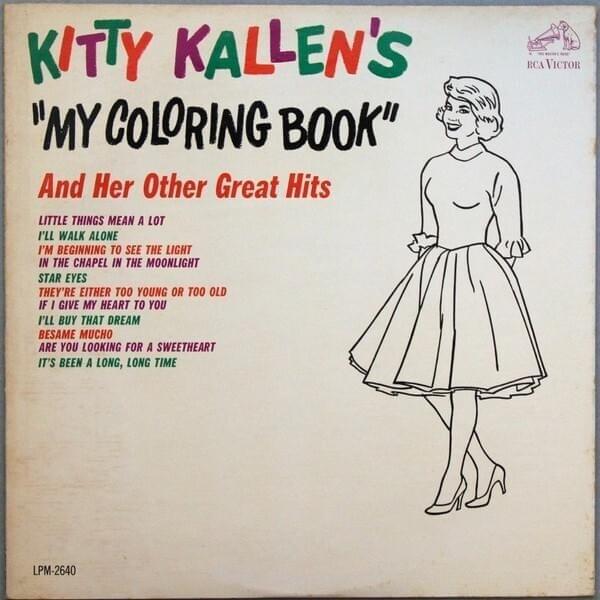
Kitty Kallen's "In the Chapel in the Moonlight" isn't just a sweet oldie; it's a portrait of yearning bordering on obsession. The song's surface is all bridal fantasy: organ music, roses twining, the whispered promise of forever. But scratch that veneer, and you find a desperate plea hanging in the air, a fragile hope teetering on the edge of despair. The repeated invocation of the chapel under the moonlight becomes less a romantic setting and more a self-imposed prison of longing. It’s the same image, repeated endlessly, like a loop in the speaker's mind. She’s trapped.
The lyrics reveal the potential for heartbreak. The lines about roses turning to ashes and the organ to rust aren't just poetic flourishes; they're chilling reminders of time's relentless march and the decay of even the most beautiful dreams. The conditional "If you never come I'll still be there" is the most telling. It’s not a declaration of unwavering love; it's a haunting admission of vulnerability and a fear of abandonment. This conditional statement transforms the otherwise saccharine imagery into a study of codependency. The moonlight, typically a symbol of romance, here takes on a ghostly pallor, illuminating the speaker's solitary vigil.
Ultimately, "In the Chapel in the Moonlight" is about the agonizing space between dreaming and reality. Kallen's delivery, while seemingly straightforward, carries a subtle undercurrent of anxiety. The song’s meaning resides not in the idealized wedding scenario, but in the speaker's willingness to wait indefinitely, even if her beloved never appears. It's a testament to the power of hope, yes, but also a cautionary tale about the dangers of fixating on a future that may never materialize. The repeated refrain of "How I'd love to" underscores the chasm between desire and fulfillment, turning a seemingly simple love song into a poignant exploration of longing and the potential for unrequited devotion.
 View Artist