Song Meaning
Kitty Kallen's "Because You're Mine" isn't just a love song; it's a study in the psychology of possession and its intoxicating effects on perception. The lyrics drip with a sense of ownership that borders on the obsessive. The phrase "Because you're mine" isn't a statement of affection, but rather a declaration of control, a grounding wire for the singer's entire emotional landscape. The world around her transforms, not because of inherent beauty, but because she tethers it to her beloved. The "brightest star" doesn't merely shine; it envies *her*—a projection of the singer's inflated ego, fueled by the perceived ownership of another person. This isn't healthy love; it’s a form of emotional colonialism. The song's meaning lies in the raw, unfiltered expression of this possessive desire. It's a primal claim staked in the territory of the heart.
The breeze becoming a melody is more than just a poetic flourish; it reveals how deeply intertwined her identity has become with her partner. The external world only gains meaning through the lens of this relationship. There’s a co-dependent quality to her declaration: "I'll only live for the kiss / That you alone may give me." This isn’t a reciprocal partnership, but a reliance on another person for validation and, arguably, survival. The lyrics betray a fragile sense of self, one that requires constant reassurance from an external source. The song becomes a testament to the dangers of losing oneself in another person, of defining one's existence solely through the validation of a lover.
And then there's the almost comical image of her heart applauding when they kiss. "That isn't thunder, dear / It's only my poor heart / You hear / And its applause / Because you're mine." The possessive claim returns, framing even her physiological reactions within the context of ownership. It's a stark reminder of how completely she has surrendered her autonomy. The song meaning isn't just about love; it's about the psychological implications of possessive love, the blurring of boundaries, and the potential for self-annihilation when one's identity is entirely subsumed by another. Kitty Kallen delivers these lyrics with a saccharine sweetness that belies the darker undercurrents of the song, making its exploration of unhealthy attachment all the more unsettling.
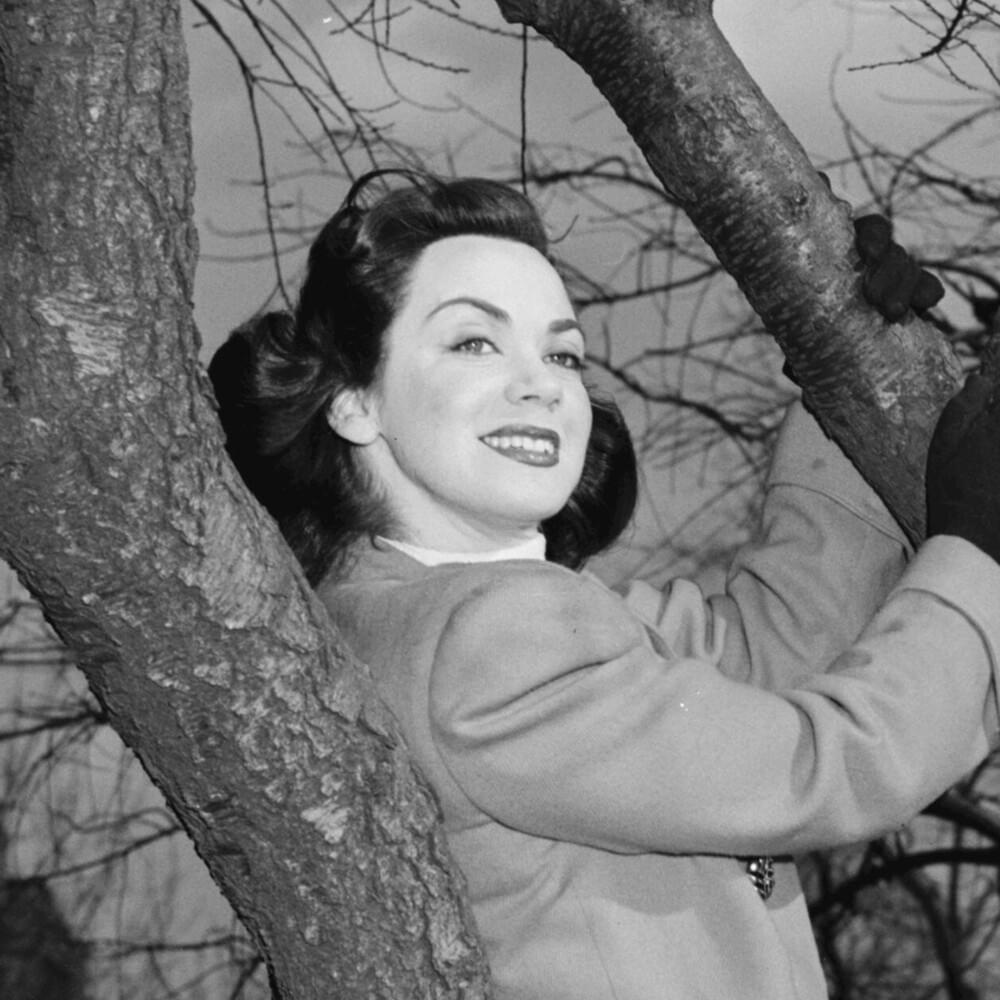
 View Artist