Song Meaning
Kiko Veneno's "Respeto" isn't just a song; it's a masterclass in existential negotiation, a tightrope walk between vulnerability and self-preservation. The opening verses paint a picture of detached observation: life flowing by, people passing, and a disinterest bordering on apathy. This sets the stage for a character wrestling with external forces ("the current," "the wind") and a higher power, bargaining for protection and favorable outcomes. The prayer isn't for enlightenment, but for personal advantage, highlighting a self-centeredness that permeates the entire narrative. This is not a song about blind faith. It's about hedging your bets.
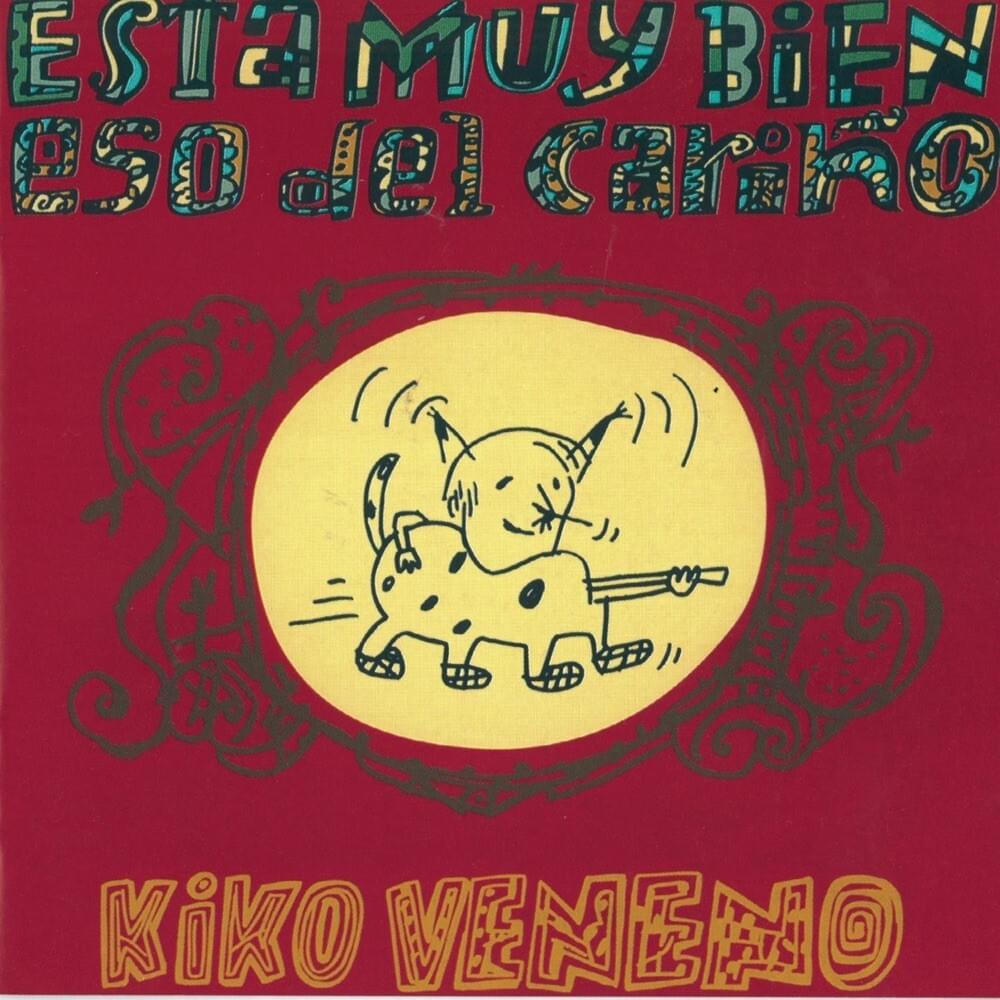
The chorus, the core of the song's meaning, pivots sharply. "Está muy bien eso del cariño / Pero no me des un dulce como a un niño / Te estoy hablando de respeto" ("Love is all well and good, but don't give me a sweet like a child, I'm talking about respect"). This isn't a plea for simple affection, but a demand for recognition, agency, and perhaps, a transactional understanding of relationships. The sweetness of "cariño" is insufficient; the speaker craves something deeper, more substantial, suggesting a past of patronization or unfulfilled promises. It's about power dynamics, the desire to be seen as an equal, not a subordinate.
The latter verses delve into themes of interdependence ("Regaré tus flores / Si tú riegas las mías") and the search for individual harmony within a chaotic world. The sun, an unavoidable force, represents both inspiration and overwhelming pressure. The concluding imagery of the light seeking attention in the darkness encapsulates the human need for validation, even if it means compromising authenticity. "Respeto," therefore, becomes a complex exploration of human interaction, navigating the treacherous waters of love, respect, and the inherent desire for self-preservation in a world that often feels indifferent.
 View Artist