Song Meaning
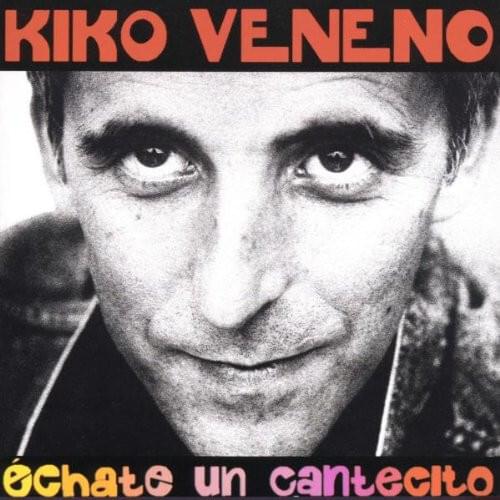
Kiko Veneno's "Joselito" paints a portrait of a character teetering between delusion and defiant self-assertion. The song meaning isn't explicitly stated, but rather emerges through the fragmented narrative of Joselito himself. We see him first through an observer's eyes: a figure with "bright eyes," fueled by a bizarre cocktail of Coca-Cola and cheap wine, searching for a stage. There's a vulnerability in his quest to sing, a yearning for expression that's simultaneously endearing and slightly pathetic. The refrain, "Ay, Joselito, ay!" carries a weight of both pity and recognition.
The lyrics then shift perspectives, plunging us into Joselito's internal world. He proclaims himself "Joselito, el de la voz de oro" ("Joselito, the one with the golden voice"), a self-aggrandizing statement that clashes with the earlier image of a slightly pathetic drunk. This declaration, coupled with his tale of seven abandoned girlfriends, suggests a fragile ego propped up by grandiose fantasies. The mention of "alta mar" (high seas) and the reference to Fernando Poo evoke a sense of longing for adventure and escape, perhaps hinting at a life unfulfilled that Joselito attempts to compensate for through his singing and exaggerated persona.
The surreal imagery – "vigilancia reforzada / En el puente del ambiente / Es en technicolor" ("reinforced surveillance / On the bridge of the atmosphere / It's in technicolor") – further blurs the line between reality and Joselito's altered perception. The "tubo traqueado" (trachea tube) filled with "salitre" (saltpeter) suggests a voice worn by time and experience, yet still clinging to the sea, to the dream. Ultimately, “Joselito” is a poignant study of self-deception, the desperate need for validation, and the enduring power of fantasy in the face of a mundane existence. Kiko Veneno masterfully crafts a character who is both pitiable and strangely compelling, leaving the listener to ponder the fine line between delusion and self-preservation.
 View Artist